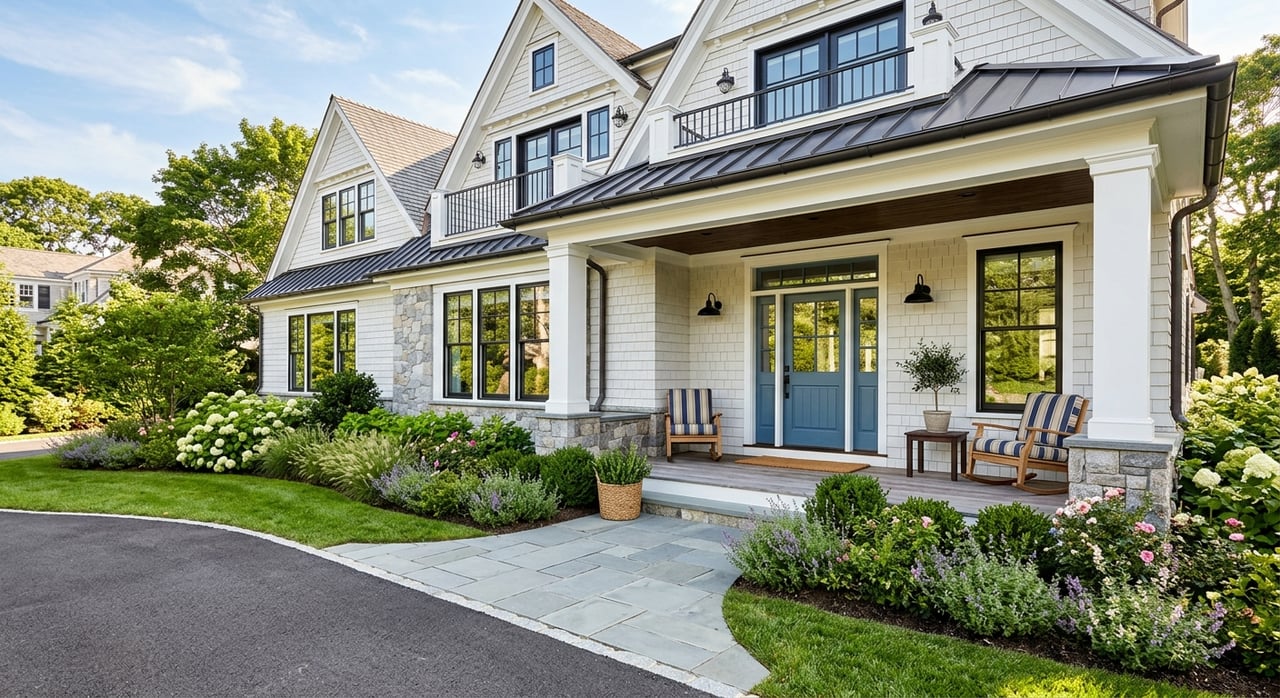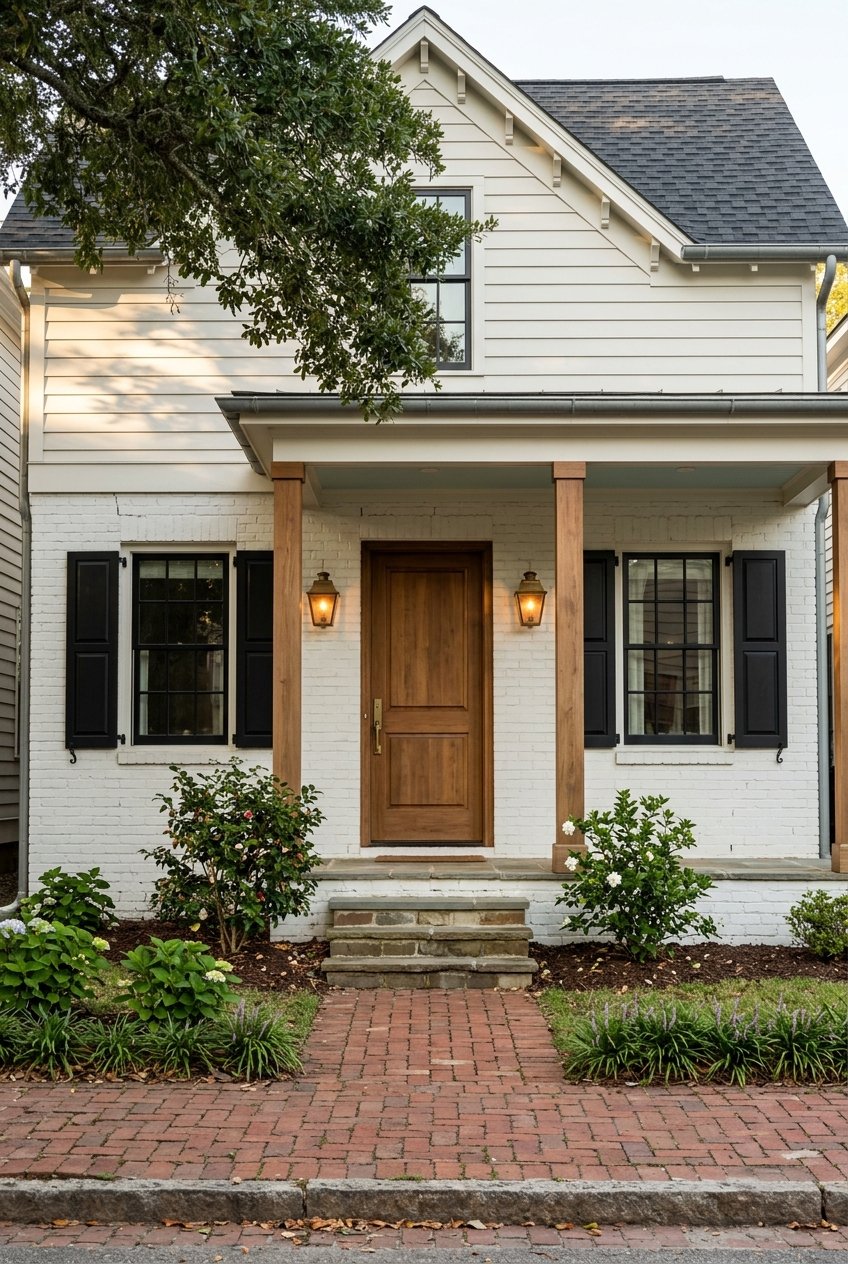
Wondering what it’s really like to live in historic downtown Charleston, not just visit it for a weekend? Life on the peninsula is beautiful and layered, but it also comes with practical realities that can shape your day-to-day routine. If you’re thinking about buying in downtown Charleston, this guide will help you understand the pace, feel, conveniences, and tradeoffs of peninsula living. Let’s dive in.
Historic character shapes everyday life
Living on the Charleston peninsula means living in one of the country’s most recognized historic urban cores. Charleston’s historic district is a National Historic Landmark District, and the Old and Historic District includes more than 1,400 historically significant buildings.
That history is not tucked away behind museum walls. It shows up in the streetscape, the scale of the homes, and the rhythm of the blocks you walk every day. The peninsula feels intimate and distinctive because the architecture is part of daily life, not just a backdrop.
One of the clearest examples is the Charleston single house. This narrow street-facing home with long side piazzas was shaped by heat, limited urban space, and privacy needs, which helps explain why so many streets feel both elegant and close-knit.
You also won’t find a single, uniform look downtown. The peninsula blends buildings and styles from different eras, creating a layered visual experience instead of a one-note historic setting. That variety is part of what gives downtown Charleston its depth and charm.
Peninsula living has different rhythms
Downtown Charleston is lively, but it is not the same in every direction. The city’s Downtown Plan describes the peninsula as vibrant and livable while also noting the push and pull between residents, visitors, students, and businesses.
For you as a buyer, that means daily life can vary a lot by block and by section of downtown. Some areas feel more residential and tucked in, while others are more active, commercial, and busy throughout the day.
The city’s planning framework also points to less development pressure south of Calhoun and more room for growth north of Calhoun. In practical terms, that can translate to quieter historic residential blocks in some areas and more mixed-use energy in others.
Walking is part of the lifestyle
One of the biggest draws of living on the peninsula is how often you can step out your front door and simply walk. Downtown errands, coffee runs, park visits, and dinner plans can often happen within a compact radius.
The city describes DeReef Park as a walk-to park that serves nearby residential areas in Radcliffeborough and Elliotborough/Cannonborough, with most users arriving on foot. That detail says a lot about peninsula living. In many parts of downtown, your neighborhood amenities are built around being close by.
If you enjoy an urban lifestyle where walking feels natural instead of forced, the peninsula can offer that in a way many suburban areas cannot. It is one of the reasons downtown living appeals to both full-time residents and buyers looking for a lock-and-leave city home.
You may not need your car every day
Car-light living is possible in the downtown core, even if many residents still keep a vehicle. CARTA’s free DASH shuttle runs three downtown routes and connects major peninsula destinations, including the Aquarium, College of Charleston, the Medical Complex, Historic King Street, Broad Street, Waterfront Park, City Market, and the Charleston Museum.
That kind of coverage makes it easier to plan your day without driving for every stop. If you work, live, or spend most of your time in the core, the shuttle can add real convenience to daily routines.
For some buyers, that is a major lifestyle upgrade. Being able to park the car and rely more on walking and short rides can change how connected and easy downtown living feels.
Parking is one of the real tradeoffs
Historic downtown Charleston offers charm and convenience, but parking is one of the clearest practical challenges. On-street meters are active Monday through Saturday from 9 a.m. to 6 p.m., and the city notes that there are currently no vacancies for monthly accounts in its garages and lots.
Residents in peninsula parking districts can obtain residential parking decals, which can be an important part of daily planning if you live in one of those areas. Still, parking is not something to treat as an afterthought when buying downtown.
If you are considering a home or condo on the peninsula, parking deserves careful attention from the start. It can affect your routine, your guests’ experience, and your long-term satisfaction with the property.
Parks and waterfront access feel built-in
The peninsula’s outdoor spaces are not just scenic extras. They are part of the everyday experience of living downtown.
Waterfront Park is an eight-acre linear park and pier along Charleston Harbor with lawns, fountains, swings, and walking and jogging paths. It functions as a true public living room for downtown, where a quick walk can turn into a regular part of your week.
White Point Garden offers another kind of outdoor routine, with shaded paths, benches, and views of the harbor and Fort Sumter. The Ashley River Walk adds yet another waterfront option along the peninsula edge.
Taken together, these spaces make water access feel woven into daily life. You are not driving across town for a harbor view or a sunset walk. In many cases, it is already part of your neighborhood pattern.
Food and retail are part of daily routine
Downtown Charleston’s dining scene is well known, but for residents, the real value is how naturally it fits into everyday life. The downtown dining landscape includes everything from casual meals to fine dining, rooftop venues, seafood spots, and Southern restaurants.
That range means eating out can be spontaneous rather than something you plan far in advance. On the peninsula, grabbing coffee, meeting friends, or picking a nearby dinner spot often feels easy and close at hand.
Cannonborough is a good example of this blend. It is described as mostly residential but energized by the nearby medical district and upper King Street, with coffee shops, corner stores, creative restaurants, and community gardens.
That mix is a big part of what people mean when they say downtown Charleston is livable. You are not just surrounded by attractions. You are surrounded by everyday amenities that support real routines.
Culture is close to home
If you enjoy museums, galleries, performances, and local history, the peninsula puts a remarkable amount within a short distance. Downtown Charleston has a dense concentration of cultural destinations, including the International African American Museum, the Gibbes Museum of Art, the Gaillard Center, Charleston Opera Theater, and the City Hall Gallery.
The Charleston Museum and other downtown institutions add even more depth to that mix. For residents, this means culture is not reserved for special occasions.
You can build it into normal life, whether that means an afternoon museum visit, an evening performance, or simply living near places that keep the city’s history and creative life visible. That concentration is unusual for a peninsula of this size and adds to its everyday richness.
The City Market remains a local anchor
The Charleston City Market is one of downtown’s best-known destinations, but it also remains an important part of the peninsula’s identity. According to the National Park Service, Market Hall and the Sheds are the only surviving market buildings in Charleston.
Today, the market includes 285 local vendors, including 56 sweetgrass basket artisans. That makes it more than a historic landmark. It is also a working center of local commerce and craftsmanship.
For residents, having a place like this nearby adds texture to downtown life. It is another example of how history, local business, and everyday activity overlap on the peninsula.
Preservation rules matter for homeowners
Owning a historic property in downtown Charleston can be deeply rewarding, but it requires more planning than buying in a newer neighborhood. The city’s Board of Architectural Review reviews new construction, many demolitions, and exterior alterations visible from the public right-of-way in the historic districts.
That means visible exterior changes are not casual decisions. If you are thinking about updates or renovations, approvals and design considerations may be part of the process.
For many buyers, this is part of the appeal because it helps protect the character of the area. But it is also a practical consideration that should shape your expectations, budget, and timeline.
Water is both an asset and a consideration
The harbor is one of the peninsula’s defining lifestyle features. From Waterfront Park to White Point Garden to the Ashley River Walk and the Maritime Center, access to the water is part of what makes downtown Charleston feel special.
At the same time, water is also part of the ownership conversation. Charleston’s Flooding and Sea Level Rise Strategy says flooding and sea-level rise are increasingly frequent concerns, and the city cites 13 inches of sea-level rise over the past 100 years.
That does not make downtown living any less compelling, but it does mean buyers should go in with clear eyes. On the peninsula, waterfront beauty and flood awareness often go hand in hand.
The city’s recent completion of the Low Battery Restoration Project also shows how actively managed this civic edge is. The project strengthened nearly 5,000 feet of the historic battery and added drainage, promenade, sidewalk, and accessibility improvements.
Is historic downtown Charleston right for you?
If you want space, simple parking, and fewer visitor-related pressures, peninsula living may feel more complex than newer parts of the Charleston area. But if you value walkability, historic architecture, waterfront access, dining, and culture close to home, downtown Charleston offers a lifestyle that is hard to duplicate.
The best fit often comes down to how you want to live every day. Do you want to be able to walk to parks, restaurants, and cultural spaces? Are you comfortable with preservation rules, parking limitations, and flood awareness as part of the tradeoff?
For the right buyer, living on the peninsula is not just about owning a beautiful home. It is about choosing a daily experience shaped by history, proximity, and a strong sense of place.
If you are exploring historic downtown Charleston and want thoughtful guidance on neighborhoods, property fit, preservation considerations, or how daily life may differ from one part of the peninsula to another, Kim Meyer would be glad to help.
FAQs
What is daily life like in historic downtown Charleston?
- Daily life on the peninsula blends historic residential streets with easy access to parks, waterfront walks, restaurants, retail, and cultural destinations, along with practical considerations like parking, visitors, and preservation rules.
Can you live in downtown Charleston without driving everywhere?
- In many parts of the peninsula, you can walk to common destinations, and CARTA’s free DASH shuttle connects major downtown locations, making car-light living more realistic than in many other Charleston-area settings.
What are the biggest tradeoffs of living on the Charleston peninsula?
- The main tradeoffs include parking constraints, flood awareness, preservation-related renovation planning, and periods of congestion tied to downtown activity and visitors.
Are historic homes in downtown Charleston harder to renovate?
- Historic-home updates can require more planning because the city’s Board of Architectural Review reviews many visible exterior changes, new construction, and demolitions in the historic districts.
Does downtown Charleston have good access to parks and waterfront spaces?
- Yes. Waterfront Park, White Point Garden, the Ashley River Walk, and other public spaces make harbor views, walking paths, and outdoor time a regular part of peninsula living.
Is downtown Charleston more residential or more commercial?
- It is both. The peninsula includes quieter residential blocks as well as busier mixed-use and commercial corridors, and the feel can shift significantly depending on the specific area and street.