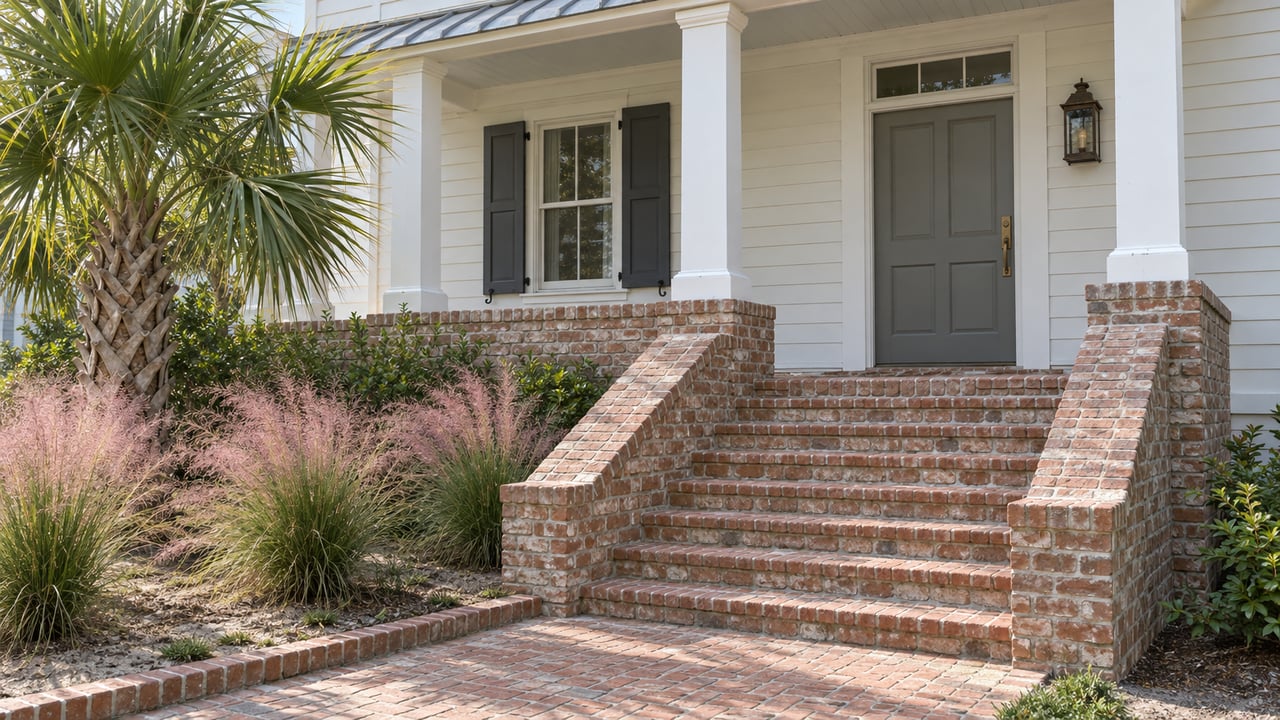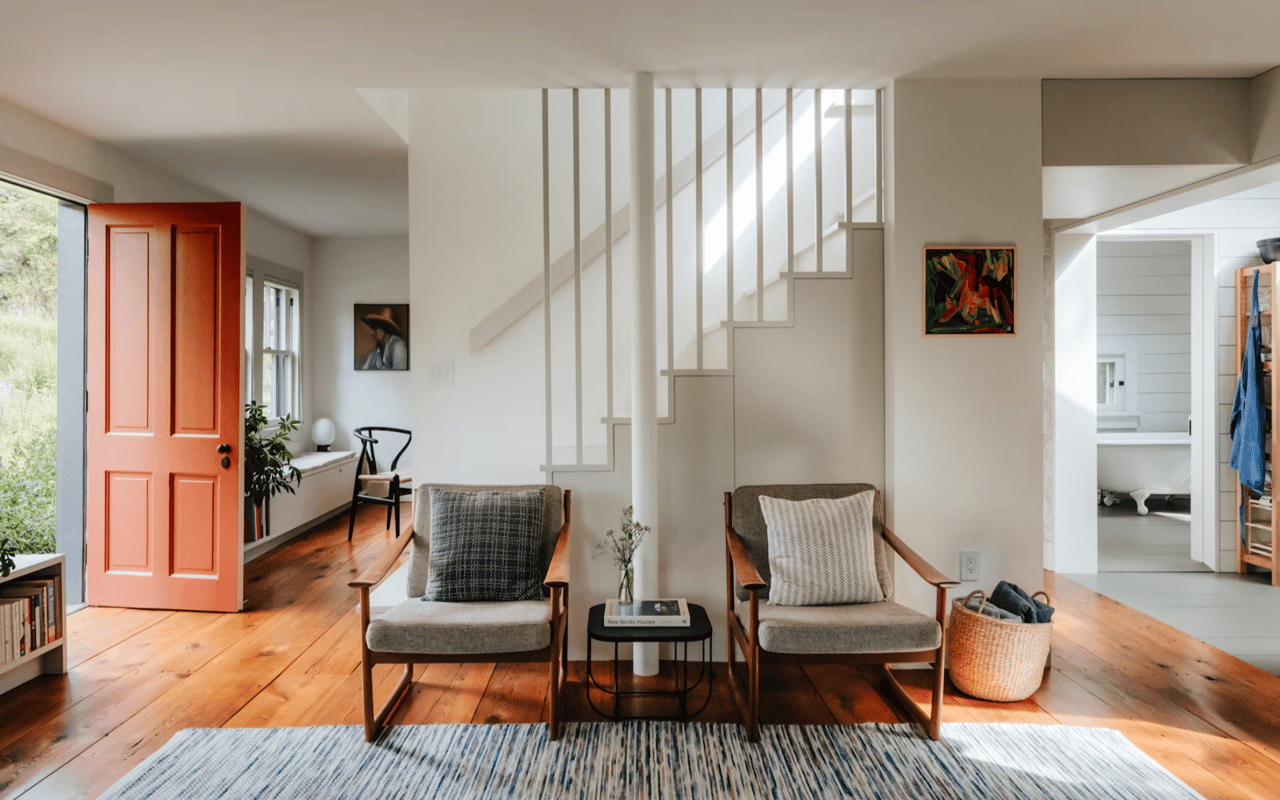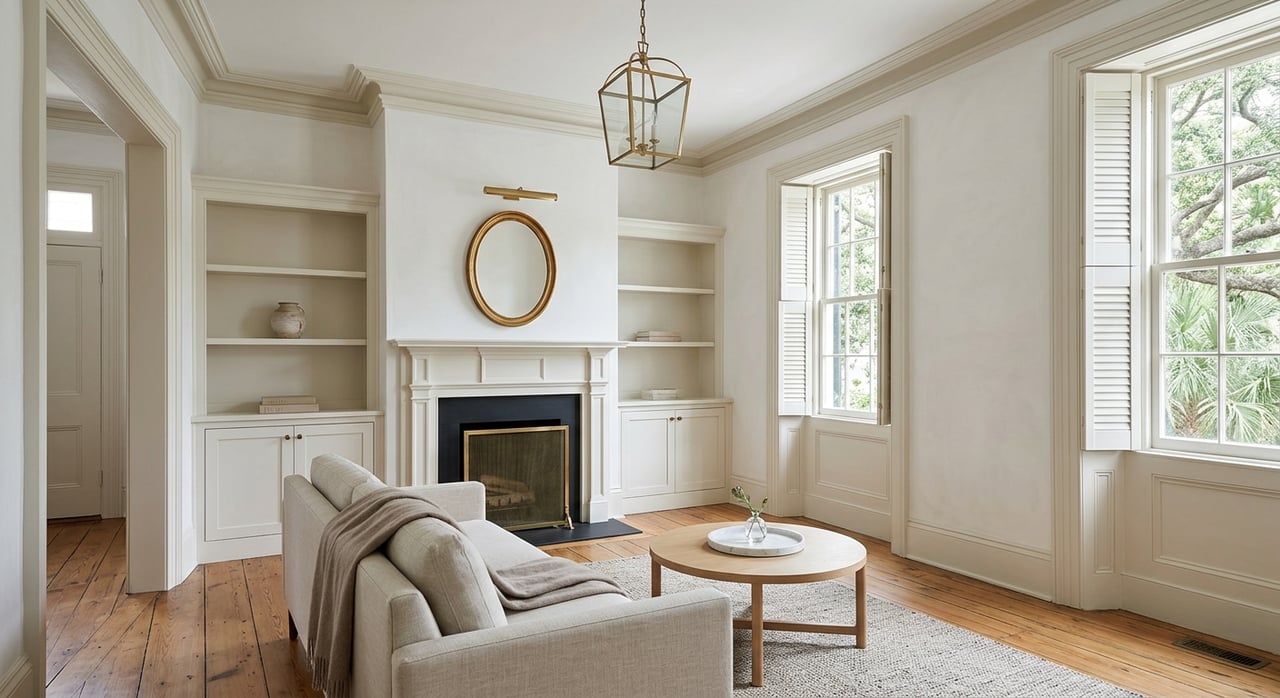
Wondering how to sell a historic home in downtown Charleston without getting tripped up by preservation rules? You are not alone. Selling in Charleston’s core often involves more than pricing and photos, and understanding the city’s review process can make a real difference in how smoothly your sale moves forward. If you know what buyers will ask, what records matter, and which updates may raise questions, you can prepare with confidence. Let’s dive in.
Why historic-home sales are different
In Charleston’s core, a home’s character is only part of the story. The practical side of selling often turns on local preservation oversight, prior approvals, and how exterior changes were handled over time.
The City of Charleston’s Board of Architectural Review, or BAR, has been part of the local preservation framework since 1931. Within historic districts, the BAR reviews new construction and many exterior alterations or renovations visible from the public right-of-way, along with certain demolitions and Landmark Overlay properties.
That means buyers are often evaluating two things at once. They are looking at the home itself, and they are also looking at the history of approvals, materials, and any future limits that may affect ownership.
Know which local rules affect your home
Charleston recognizes several preservation areas and overlays, including the Old and Historic District, Old City District, Historic Corridor District, Historic Materials Demolition Purview Area, and Landmark Overlay. Whether a project needed review can depend on the district, the age of the structure, its architectural rating, visibility from the street, and the scope of work.
For sellers, this matters because buyers often want to know what can be changed and what likely cannot. If your home has had exterior work, the first step is understanding how it fits within the city’s framework.
BAR categories can shape buyer expectations
Category 1 and Category 2 buildings generally face the strictest review. According to city guidelines, items such as paint color changes, storm windows, additions, accessory buildings, demolition, and hardscaping go before the Board for these properties.
Category 3 and 4 properties usually offer more flexibility, but city staff may still refer certain projects to the Board. In practical terms, this can influence how buyers view future maintenance, improvement plans, and overall ownership costs.
National Register status is not the same thing
A point that often causes confusion is the difference between federal designation and local regulation. National Register listing does not itself place restrictions on what a private owner may do, but Charleston’s local BAR rules, inventories, and any easements usually create the real day-to-day constraints that matter during a sale.
If your home is described as “historic,” be ready to explain what that means in local terms. Buyers benefit from clarity, and clear documentation helps prevent misunderstandings.
Review updates before you list
Before your home goes on the market, it is smart to take a fresh look at past repairs and exterior improvements. In Charleston’s historic core, even well-intended work can raise questions if materials, profiles, or visibility do not align with city expectations.
The city’s guidelines generally prefer repair over full replacement. When replacement is necessary, it should match the original in type, size, profile, and material.
Materials matter more than many sellers expect
For historic residences, synthetic materials such as vinyl and fiberglass are generally not allowed under the city’s guidelines. Details that might seem minor in another market can become meaningful here, especially when buyers or inspectors start comparing visible features to the home’s age and style.
Windows, piazzas and porches, roofs, gutters, chimneys, fences, walls, and mechanical equipment each have specific expectations. For example, replacement windows should match the original configuration, porch enclosure is generally discouraged, asphalt shingles are not considered appropriate for historic roofs, and HVAC equipment should not be visible from the public right-of-way.
Paint and exterior finish deserve a close look
Paint choices can also matter. The city reviews paint color approval on a case-by-case basis, does not use a preapproved palette, and states that historic brick or stucco should not be painted if it was previously unpainted.
The guidelines also prohibit waterproof or elastomeric paints, along with disc sanding, sandblasting, and open-flame paint removal. If your home has had recent exterior work, gathering the details now can help you answer buyer questions later.
Gather the paperwork buyers will want
Historic-home buyers in Charleston often expect more documentation than buyers in a typical residential sale. The more complete your records are, the easier it is to show that your home has been cared for thoughtfully and that prior work was handled properly.
A strong listing package may include permits, survey information, prior BAR approvals, and records of significant repairs or improvements. If your property has an architectural rating or prior survey history in the city’s records, buyers may review that too.
Easements should be identified early
Some Charleston properties are subject to easements held by the Preservation Society of Charleston or the Historic Charleston Foundation. The city’s guideline booklet notes that documentation from those organizations is required for BAR review.
From a selling standpoint, it is wise to identify any easements early and keep those documents handy. Buyers and closing attorneys will want to understand how an easement may affect future exterior work or alterations.
Flood-related records can strengthen due diligence
Charleston has also created guidelines for elevating historic structures to help reduce flood risk. If your home has been elevated or otherwise improved with flood-mitigation measures, approval history and contractor records can be especially useful during buyer due diligence.
Those records help tell a fuller story about the property. They can also make it easier to explain what was done, when it was done, and whether local approvals were obtained.
Prepare for disclosure requirements
South Carolina requires most owners of one- to four-unit residential property to provide a Residential Property Condition Disclosure Statement before contract formation. That form asks about issues including zoning laws, restrictive covenants, building codes, land-use restrictions, encroachments, and environmental matters such as lead-based paint.
In a historic sale, this disclosure can carry extra weight because older homes often come with a longer paper trail and more visible signs of past work. Accuracy and organization matter.
Correct new information promptly
If you later discover a material inaccuracy, South Carolina law requires prompt correction or reasonable repairs before closing. At the same time, failure to provide the disclosure form does not void the agreement or create a valid reason to delay closing.
That does not mean disclosures are casual. It means the best path is to be proactive, transparent, and well-prepared from the start.
Lead-based paint may apply
If your home was built before 1978, lead-based paint may be present. Charleston’s guidelines specifically direct owners to contact Building Inspections about lead hazards before beginning work, and federal EPA and HUD rules require sellers of most pre-1978 housing to disclose known lead-based paint information and provide the lead pamphlet before sale or lease.
For sellers, the key is simple: know what you know, document what you have, and provide required information on time. That can reduce stress for everyone involved.
Plan your selling timeline carefully
One of the most common mistakes in a historic-home sale is assuming the timeline will work like any other listing. In Charleston’s core, preservation deadlines and approval logistics may need to be part of your schedule, especially if you plan to complete exterior work before going live.
The current BAR process includes checklist requirements, capped agenda space for board meetings, and submissions through the city’s CSS portal. The city also notes that CSS registration itself can take up to three business days.
Start earlier than you think
If you are considering painting, repairs, or exterior improvements before listing, check with city staff first. The city notes that the BAR process can also involve zoning, building inspections, and public service reviews in addition to BAR approval, and a permit is required for work in the city.
Some simple painting, rot repair, and small modifications may be reviewed by staff rather than the full Board. Even so, waiting until the last minute can create unnecessary pressure if a project needs additional review.
Price with Charleston-core nuance
Pricing a historic home in Charleston’s core usually requires a finer level of judgment than pricing a non-historic property. Not every downtown sale is a true comparable, even when homes look similar on paper.
A home’s BAR category, visibility from the public right-of-way, potential easements, and any deferred maintenance can affect the buyer pool and the budget a purchaser expects to carry after closing. That is why thoughtful comp selection matters so much in this segment of the market.
Presentation and documentation support value
Historic homes often sell best when the presentation matches the level of care behind the scenes. Clean records, a clear improvement history, and polished marketing materials can help buyers see both the beauty of the home and the practical confidence of a well-prepared sale.
That is where strong strategy matters. Staging, professional photography, careful pricing, and detailed pre-listing preparation all help tell the right story.
Build the right support team
Selling a historic home is rarely a solo effort. The most useful support team often includes a historic-savvy real estate advisor, a preservation-minded contractor or architect, a home inspector who is comfortable with older construction, and a local closing attorney familiar with South Carolina disclosures and Charleston review history.
The goal is not to make the process feel complicated. It is to keep surprises to a minimum and make sure the sale is supported by good information.
Before you list, you should ideally be able to answer a few basic questions with paperwork in hand:
- Was exterior work approved where required?
- Which visible features are original, and which were replaced?
- Do any preservation easements apply?
- Are there lead-related disclosures to make?
- Are there flood-mitigation or elevation records to share?
When those answers are organized in advance, buyers tend to feel more comfortable moving forward.
If you are thinking about selling a historic home in Charleston’s core, the best first step is a strategy conversation built around your property’s specifics. From pricing and presentation to records, timing, and trusted local vendors, working with an advisor who understands Charleston’s preservation landscape can make the path clearer. If you would like tailored guidance, connect with Kim Meyer.
FAQs
What does the Board of Architectural Review do for Charleston historic homes?
- The City of Charleston’s Board of Architectural Review reviews many exterior alterations, renovations visible from the public right-of-way, new construction in historic districts, certain demolitions, and Landmark Overlay properties.
What should sellers of historic homes in Charleston gather before listing?
- Sellers should gather permits, prior BAR approvals, survey information, records of repairs or updates, easement documents if they apply, and any flood-mitigation or elevation paperwork.
Do Charleston historic homes have special disclosure requirements?
- Charleston sellers follow South Carolina’s Residential Property Condition Disclosure requirements, and older homes may also involve lead-based paint disclosures if the property was built before 1978.
Can you replace windows on a historic home in Charleston?
- City guidelines state that replacement windows should match the original configuration, and whether approval is needed can depend on the property’s category, district, visibility, and project scope.
How do preservation rules affect pricing for downtown Charleston homes?
- Preservation rules can influence pricing because BAR category, easements, visible exterior conditions, and deferred maintenance may affect buyer interest, future improvement options, and expected ownership costs.