By Kim Meyer
Charleston homes have a character that is worth protecting. Whether you own a single house with a side piazza in Harleston Village, a cottage in Wagener Terrace, or a newer construction on James Island, the decisions you make during a remodel shape both how you live in the home and what it is worth when you sell. As a top-rated real estate professional, I work with buyers and sellers across Charleston every day, and the renovations that hold their value here are the ones done with the city's specific context in mind. Here is what you need to know before you start your home remodel.
Key Takeaways
- Learn how Charleston's Board of Architectural Review affects remodeling decisions in the historic district and what homeowners need to do before breaking ground.
- Discover which remodeling projects consistently add the most value to Charleston homes and which ones are worth prioritizing first.
- Find out how to approach outdoor living spaces in a coastal Lowcountry climate and why they are one of the most impactful upgrades for Charleston properties.
- Understand how to preserve Charleston's distinctive architectural character while modernizing a home's systems, finishes, and functionality.
Understand the Rules Before You Plan
Charleston's remodeling landscape is shaped by preservation oversight that most homeowners do not fully account for until they are in the middle of a project. If your home sits within the Old and Historic District or any of the city's locally designated historic areas, exterior changes require review and approval from the Board of Architectural Review before work begins.
What the BAR Process Means for Your Project
- Any exterior alteration, including paint color, window replacement, siding, roofing, and additions, requires BAR review and approval for homes within the historic district.
- Working with an architect who has specific BAR experience significantly reduces delays, since familiarity with the board's expectations for materials, proportions, and style guides the design toward approval from the start.
- Custom and historically appropriate materials, such as wood windows rather than vinyl, are required in many cases, which affects both budget and timeline in ways that generic renovation estimates do not capture.
- Homes outside the formal historic district in neighborhoods like Mount Pleasant or West Ashley operate under different rules, but understanding local zoning and permit requirements still matters before committing to any structural work.
Getting clarity on what your home's location requires before you hire a contractor saves months and protects your investment.
Prioritize Kitchens and Bathrooms
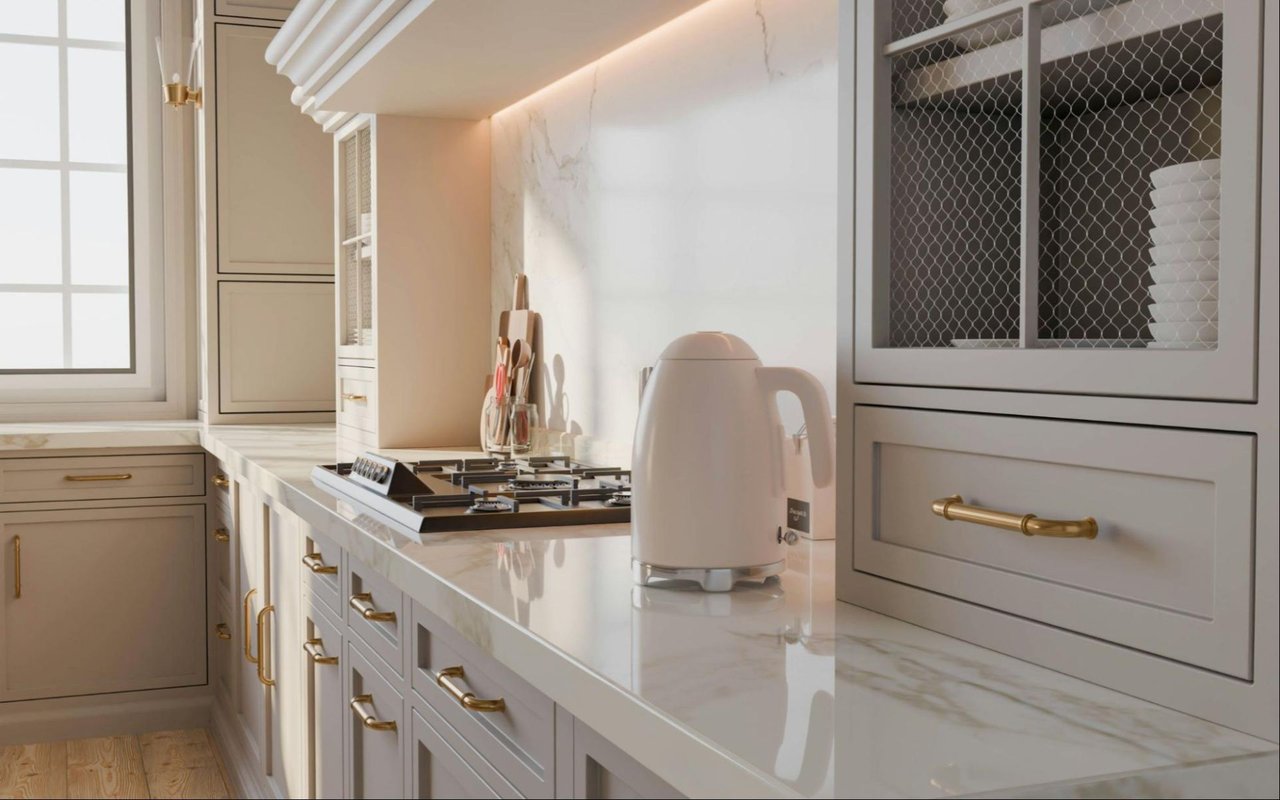
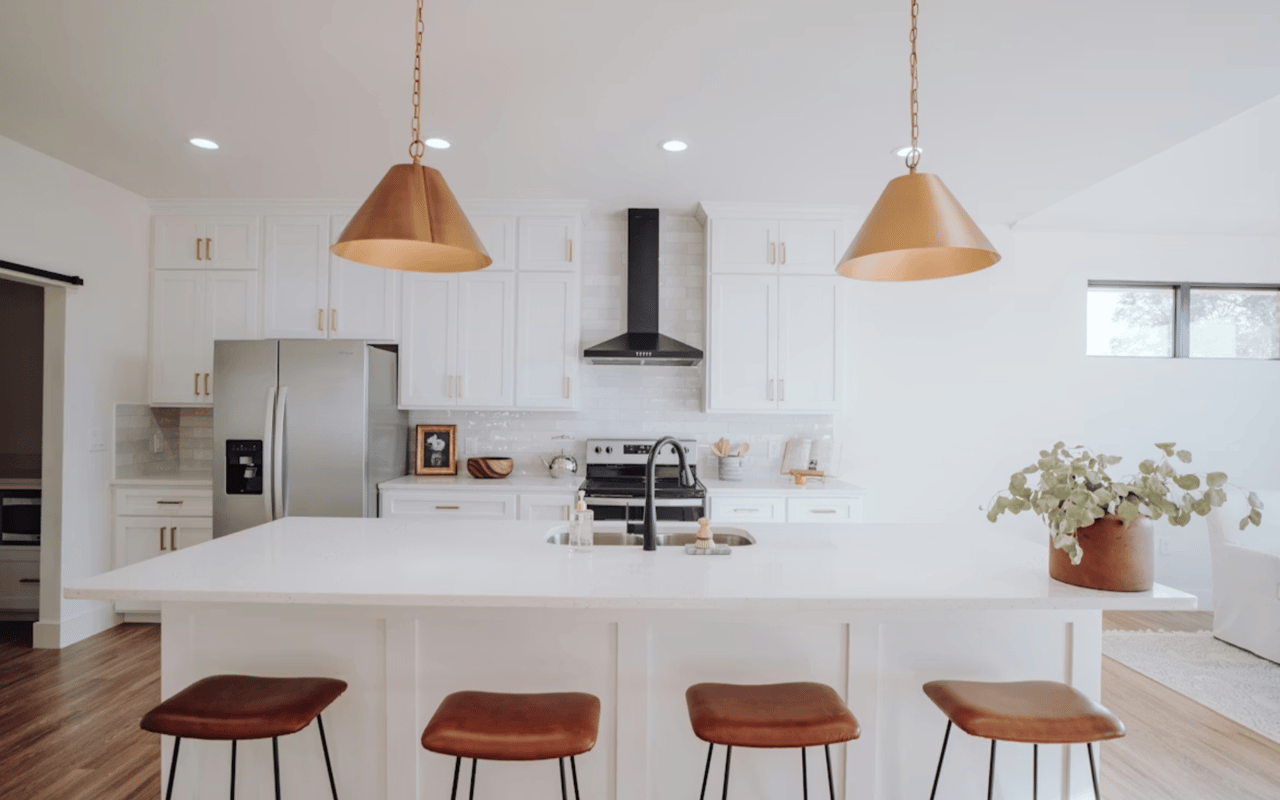
Across Charleston's market, kitchen and bathroom updates consistently produce the strongest return at resale, and they are the spaces buyers evaluate most carefully during showings. A well-executed kitchen or bathroom renovation in a Charleston home does not need to be a complete gut job to make a strong impression, but the finishes, layout, and quality of the work need to reflect the standard buyers at this price point expect.
What Makes a Successful Kitchen or Bathroom Remodel in Charleston
- Custom cabinetry with quality hardware and thoughtful storage reads as elevated in a market where buyers are comparing well-finished homes, and it holds up better over time than builder-grade alternatives.
- Countertop and tile selections that reference the coastal Lowcountry palette, soft whites, natural stones, warm neutrals, tend to photograph well and feel cohesive with the rest of a Charleston home's aesthetic.
- In historic homes, preserving original millwork, ceiling moldings, and architectural details alongside updated finishes produces a result that feels deliberate rather than disconnected from the home's character.
- Bathroom layouts that maximize natural light and introduce a freestanding tub or a frameless glass shower tend to perform particularly well in Charleston's luxury segment, where those details have become expected rather than exceptional.
The kitchen and bathroom are the rooms buyers remember longest after a showing, and they are worth getting right.
Invest in Outdoor Living
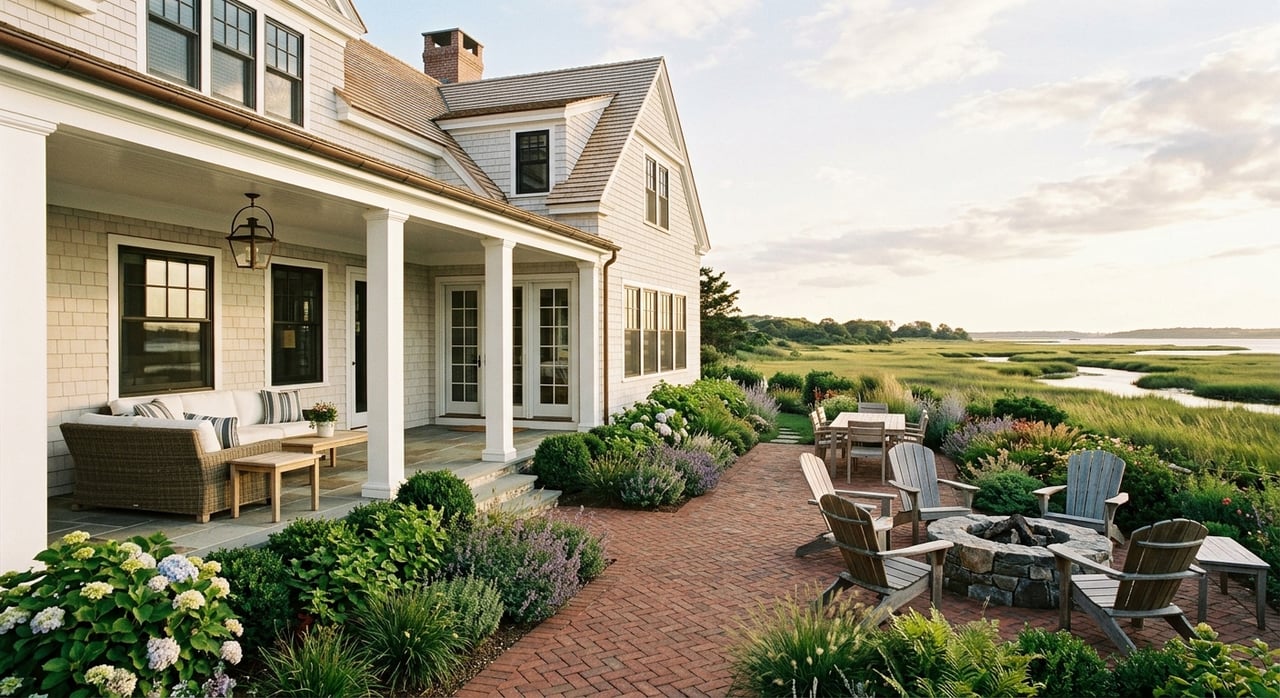
Charleston's climate makes outdoor living a year-round proposition, and buyers here factor porch, patio, and garden quality into their decision in ways that buyers in colder markets simply do not. A well-designed outdoor space in Charleston is not a luxury addition. It is a core feature of the property.
The Outdoor Improvements That Add Real Value
- Restoring or expanding a piazza on a downtown single house is one of the most historically authentic and value-adding projects available to owners in the historic district, since the piazza is central to the architectural identity of these homes.
- Covered outdoor kitchens with ceiling fans and good lighting extend the usable season and make the backyard functional for entertaining across all twelve months, which translates directly into buyer appeal.
- Thoughtful landscaping with plants suited to the Lowcountry climate, including native species that manage the heat and humidity without constant maintenance, signals care and sets a tone before buyers enter the house.
- Screen porches are one of the most consistently requested features among buyers shopping in Charleston, and adding one where the layout allows tends to deliver strong returns relative to the cost.
In a city defined by outdoor culture and warm weather, the outdoor spaces of a home carry as much weight as the interiors.
Preserve What Makes the Home Charleston
The renovations that age best in this market are the ones that work with the home's existing character rather than against it. Stripping original details, installing materials that do not belong to the region's architectural vocabulary, or over-modernizing a historic property produces a result that neither preserves the home's appeal nor creates a compelling contemporary alternative.
How to Modernize Without Losing What Matters
- Original hardwood floors are worth restoring rather than replacing in most cases, since reclaimed and period-appropriate wood has a depth and patina that new flooring cannot replicate regardless of price.
- True divided-light windows and handcrafted millwork are features that experienced buyers in the historic district recognize and value, and replacing them with standard alternatives removes something that cannot be put back easily.
- Upgrading mechanical systems, HVAC, plumbing, and electrical, is essential in older Charleston homes and adds real value without affecting the home's visual character, making it one of the highest-priority investments for properties that have not been updated in decades.
- Material choices throughout a renovation should feel like they belong to the home and to the city, whether that means heart pine floors, classic shiplap, or a palette drawn from the coastal environment immediately outside the front door.
A Charleston home that has been renovated with its character intact is always more compelling than one that has been modernized at the expense of what made it worth buying in the first place.
Frequently Asked Questions
Do I need permits for interior remodeling in Charleston?
Interior work that does not affect the structure, mechanical systems, or exterior of the home generally does not require BAR review, but building permits through the City of Charleston or the relevant county are typically required for electrical, plumbing, HVAC, and structural work regardless of location. Confirming permit requirements with your contractor before work begins is a standard step that protects you at resale.
What is the biggest mistake Charleston homeowners make when remodeling?
Underestimating how specific this market is. Contractors who do not have direct experience with BAR-compliant work, historic materials, or Lowcountry construction methods can create problems that are expensive to correct. The city's preservation requirements, flood zone considerations, and coastal climate demands mean that Charleston renovation projects benefit significantly from local professionals.
How does remodeling affect resale value in Charleston's historic neighborhoods?
Thoughtfully done renovations that preserve historic character while modernizing functionality consistently command premiums in neighborhoods like South of Broad, Ansonborough, and the French Quarter. Buyers in these areas are specifically seeking homes where the renovation goes hand-in-hand with the architecture.
Reach Out to Kim Meyer Today
Remodeling decisions and real estate decisions are more connected than most homeowners realize. The upgrades that add the most value depend on the specific neighborhood, the buyer profile most likely to purchase the home, and where the property sits in the current market. I help sellers in Charleston understand which investments are worth making before they list, and I help buyers evaluate what a renovated home is actually worth relative to its competition.
If you are thinking about remodeling before selling, or buying a home with renovation potential in Charleston, I, Kim Meyer, am ready to help you achieve your goals.