Lowcountry Relocation & Neighborhood Comparison
Downtown Charleston or Mount Pleasant: How to Choose
By Kim Meyer Real Estate. Compare home prices, housing types, daily lifestyle, commute rhythms, and historic review rules between Downtown Charleston and Mount Pleasant, SC.
Downtown Charleston features historic, compact, walkable living with a median listing price of $1.75M ($1.1M median for condos), regulated by the Board of Architectural Review (BAR). Mount Pleasant offers a suburban-coastal environment with a median listing price of $995,000 ($425K median for condos), master-planned subdivisions, and waterfront parks as of 2026.
Trying to decide between Downtown Charleston and Mount Pleasant? You are not alone. Many buyers narrow their search to these two areas because both offer strong lifestyle appeal, but they feel very different once you look at daily life, housing options, and price.
This guide will help you compare the two so you can choose the area that fits how you want to live. Let's dive in.
Downtown Charleston vs. Mount Pleasant Comparison Matrix
Side-by-side comparison of home pricing, housing stock, lifestyle atmosphere, commute patterns, and historic review rules.
Evaluation Factor | Downtown Charleston | Mount Pleasant |
|---|---|---|
Median Listing Price | $1.75 Million (Condo median $1.1 Million) | $995,000 (Condo median $425,000 / Townhome $625,000) |
Housing Stock & Vibe | Historic Single Houses, antebellum estates, luxury lofts & condos | Master-planned subdivisions, new construction, coastal homes, condos |
Lifestyle Environment | Dense, highly walkable, historic urban core centered on King Street | Suburban-coastal, expansive park systems, waterfront recreation |
Commute Rhythms | Compact street grid; 24.2 min average commute; errands clustered together | Driving-based residential hub; 24.9 min average commute; 74% commute out |
Historic & Design Rules | Citywide BAR review for exterior alterations, additions & demolitions | Old Village Conservation District (37 blocks) Certificate of Appropriateness |
Weighing Downtown Charleston Against Mount Pleasant?
Whether you prioritize historic architecture on the peninsula or new construction near Mount Pleasant's coastal parks, Kim Meyer Real Estate brings deep local market insight to help you choose with confidence.
Start With the Big Picture
Downtown Charleston and Mount Pleasant are close on a map, but they offer two distinct living experiences. Downtown Charleston is the more historic, compact, and premium-priced option. Mount Pleasant is the larger suburban-coastal alternative, with much of its recent growth tied to newer subdivisions on the town's northern edge.
That difference shapes almost everything else. If you picture walkable blocks, historic architecture, and many daily destinations close together, Downtown Charleston may feel like the better fit. If you want a more residential setting with parks, recreation, and a wider range of newer housing, Mount Pleasant may make more sense.
Compare Home Prices and Housing Types
One of the clearest differences is price. In March 2026, market data showed a median listing price of $1.75 million in Downtown Charleston. In Mount Pleasant, the median listing price was $995,000.
That does not mean Mount Pleasant is inexpensive. It is still a high-value market, but it generally gives you a lower entry point than downtown. For many buyers, that opens up more flexibility in home style, size, or age of construction.
Downtown Charleston Housing
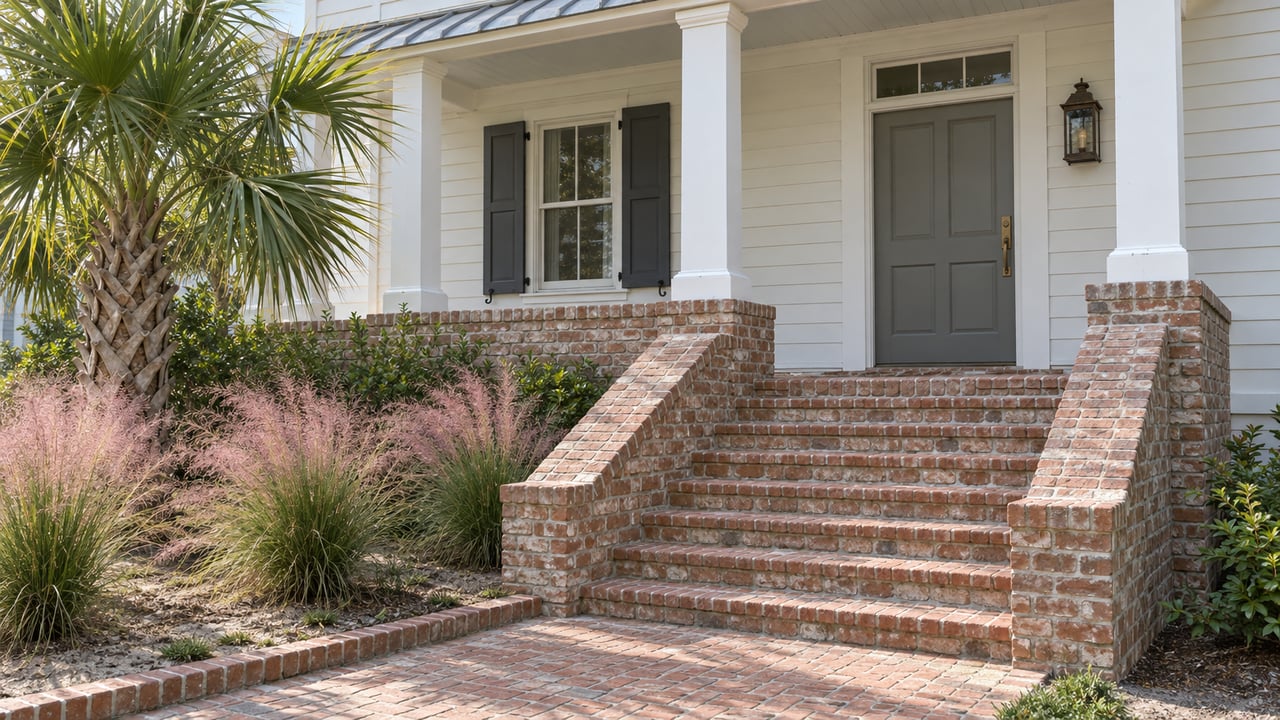
Downtown Charleston tends to attract buyers looking for historic homes, luxury properties, condos, and townhomes in a compact setting. Downtown condo market data showed a median listing price of $1.1 million, reflecting high demand for maintenance-free peninsula living.
Because of the area's age and character, the housing stock often comes with a stronger sense of place. You may find details and architecture that are hard to replicate in newer communities. At the same time, buyers should expect a more premium price point and more property-specific nuance.
Mount Pleasant Housing
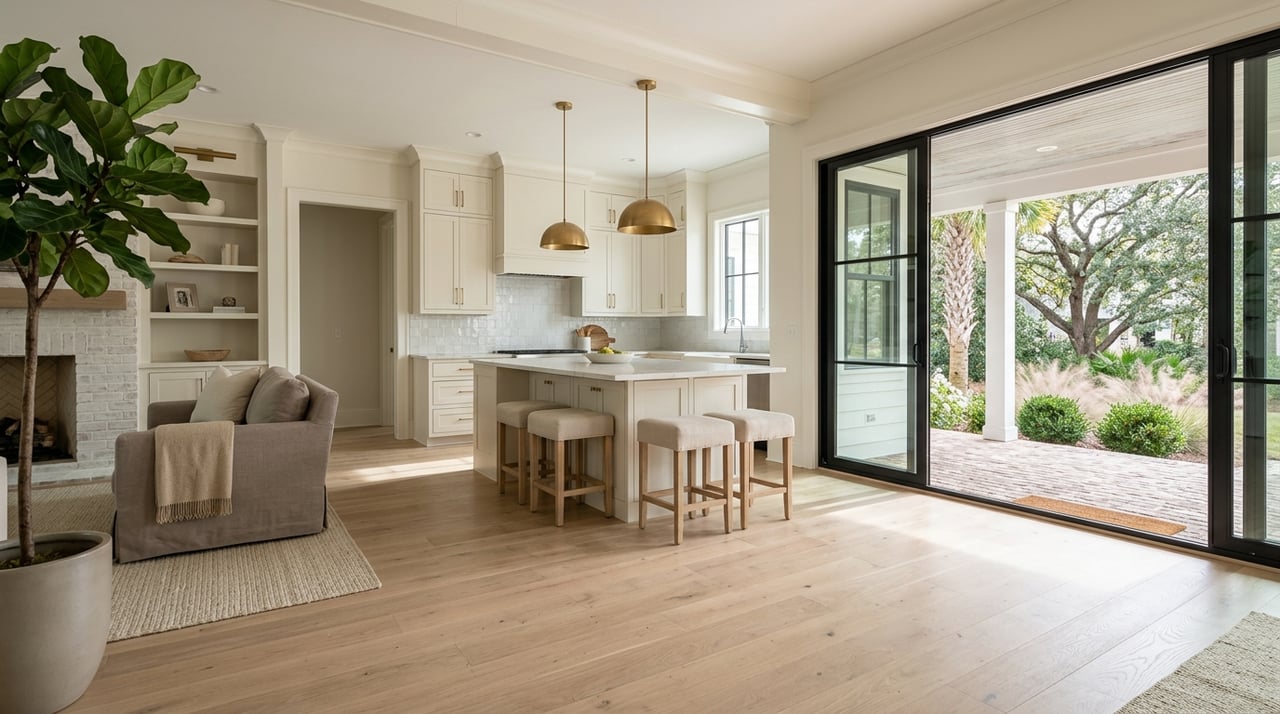
Mount Pleasant offers more variety across newer subdivisions, condos, townhomes, and established areas. Market data showed Mount Pleasant condos at a median listing price of $425,000 and townhouses at $625,000. That range can appeal to buyers who want more options across budgets and property types.
The town's growth pattern also helps explain the feel of the housing market. According to Mount Pleasant's economic development strategy, much of the recent population growth happened in entirely new subdivisions on the northern edge. That often translates to a more modern, neighborhood-style setting than what you typically find downtown. Learn more about master-planned communities in our guide on living in I'On Mount Pleasant SC.
Think About Daily Lifestyle
Price matters, but lifestyle fit usually decides the question. Downtown Charleston is centered on a dense, active core where shopping, dining, waterfront areas, and many everyday outings are close together. King Street is the region's shopping and dining hub, and the downtown area blends business and residential uses in a compact setting.
Mount Pleasant leans more suburban-coastal in feel. The town highlights its investment in parks, recreation, and waterfront access, and its Recreation Department emphasizes facilities and programming. Memorial Waterfront Park Phase III added a splash pad, playground, courts, restrooms, a pavilion, and dog parks, which reflects the kind of public amenities many buyers value there.
Choose Downtown If You Want Centrality
Downtown Charleston often fits buyers who want:
- Historic architecture and preserved character
- A compact street grid
- Shopping and dining close together
- Waterfront access woven into daily life
- A more urban residential experience
Choose Mount Pleasant If You Want Breathing Room
Mount Pleasant often fits buyers who want:
- A more residential base
- More housing variety
- More new construction opportunities
- Parks, recreation, and harbor-oriented spaces
- Easy access to Charleston while living outside the urban core
Look Beyond Commute Time
At first glance, commute data may not settle the debate. U.S. Census QuickFacts shows similar mean commute times on a broad geography basis: 24.2 minutes for Charleston city and 24.9 minutes for Mount Pleasant town.
The bigger difference is often how you move through your day. In Mount Pleasant, the town's economic development strategy indicates that only 26% of the labor force works in Mount Pleasant, while 74% commutes to other job centers. That suggests many residents use Mount Pleasant as a home base and drive elsewhere for work.
Downtown Charleston works differently. Because so much retail, dining, waterfront activity, and other destinations are clustered together, many buyers are drawn to the convenience of having more errands and outings in one compact area. If your priority is keeping daily destinations close together, downtown may offer more of that rhythm.
Understand Historic Rules Before You Buy
Historic character can be a major advantage, but it can also affect what you can change. In Downtown Charleston, the city's historic-district review process applies to visible exterior changes, new construction, and many demolitions. The Board of Architectural Review, often called the BAR, is a key part of that preservation environment.
For buyers who love historic homes, that review structure can help protect the area's character. For buyers planning major exterior work, it is important to understand those rules early.
Mount Pleasant Has a Historic District Too
Some buyers assume Mount Pleasant has no similar restrictions, but that is not quite true. The Old Village is a 37-block conservation historic district, and a Certificate of Appropriateness is required there for exterior alterations, additions, demolition, hardscaping, fences, walls, docks, and new construction.
That is an important nuance if you are drawn to the Old Village for its charm and harbor setting. The rules are more limited geographically than downtown Charleston's broader preservation environment, but they still matter in that historic pocket.
Ask Yourself the Right Questions
When buyers feel stuck between these two areas, the best next step is usually not asking which one is better. It is asking which one fits your priorities better. Here are a few useful questions to consider:
- Do you want a historic, compact setting or a more suburban-coastal one?
- Are you comfortable paying a premium for centrality and character?
- Would you prefer newer housing options and more neighborhood-style development?
- Do you want many outings and errands close together, or are you comfortable driving more often?
- Are you open to historic review rules if you buy in a regulated area?
Your answers can narrow the choice quickly. In many cases, the right fit becomes clear once you focus on how you want your day-to-day life to feel.
A Practical Way to Decide
If possible, spend time in both places with your real-life routine in mind. Drive the routes you expect to use. Visit at the times of day you are most likely to be out. Pay attention to whether you are drawn to downtown's compact energy or Mount Pleasant's residential pace.
This is especially important in Charleston-area real estate, where small location differences can shape lifestyle, renovation plans, and resale potential. A home can look great on paper, but the right area should also support how you actually want to live.
If you are weighing Downtown Charleston against Mount Pleasant, working with a local advisor can make the tradeoffs much easier to see. Kim Meyer brings deep Charleston-area experience, strong local market insight, and a thoughtful approach to helping buyers match the right home to the right lifestyle. For more information on local real estate financial planning, read our guide on understanding Charleston SC property taxes.
Related Lowcountry Relocation & Neighborhood Guides
About Kim Meyer Real Estate
Kim Meyer is a top-producing Lowcountry real estate specialist based in Charleston, South Carolina. Kim delivers personalized advisory for home buyers comparing peninsula historic homes against Mount Pleasant coastal communities, offering unmatched market clarity, historic BAR guidance, and negotiation expertise.
Verified Data Point: According to U.S. Census QuickFacts, mean commute times remain consistent across the metro area (24.2 min in Charleston vs 24.9 min in Mount Pleasant), making lifestyle density and housing type the primary decision factors.
Frequently Asked Questions
Is Downtown Charleston more expensive than Mount Pleasant?
Yes. Market data shows a March 2026 median listing price of $1.75 million in Downtown Charleston compared with $995,000 in Mount Pleasant.
Does Mount Pleasant have more new construction than Downtown Charleston?
In general, yes. Town growth data shows much of its recent population expansion occurred in entirely new master-planned subdivisions on the northern edge, supporting a more modern housing mix.
Is commuting easier from Downtown Charleston or Mount Pleasant?
Mean commute times are similar on a broad geography basis (approx. 24–25 mins), but the bigger difference is lifestyle pattern. Mount Pleasant works well for buyers comfortable driving, while downtown suits buyers who want daily destinations close together.
Are there historic renovation rules in Downtown Charleston?
Yes. Charleston's historic-district review process applies to visible exterior changes, new construction, and many demolitions, with the Board of Architectural Review (BAR) playing a central role.
Are there historic restrictions in Mount Pleasant too?
Yes, in the Old Village. The Old Village is a 37-block conservation historic district where a Certificate of Appropriateness is required for many exterior changes and new construction.
Which area is better for a walkable Charleston lifestyle?
Downtown Charleston is generally the better fit if you want a compact setting with shopping, dining, and waterfront destinations close together.
Match Your Home to Your Lifestyle with Kim Meyer
Connect with Kim Meyer Real Estate for expert guidance on comparing Downtown Charleston and Mount Pleasant properties.
Source Notes: Median listing prices, housing stock counts, U.S. Census QuickFacts commute figures, and Town of Mount Pleasant / City of Charleston historic district guidelines verified current through 2026.