By Kim Meyer
When I work with buyers in Charleston, one of the most important moments in the transaction is the home inspection. It’s the point where excitement meets reality, and understanding what’s happening can make the entire experience feel far less overwhelming. I always remind my clients that inspections aren’t about perfection, they’re about clarity.
If you’re preparing to buy a home, knowing how the buyers home inspection process in Charleston works will help you feel confident, prepared, and in control. I put this guide together to walk you through what happens, what matters most, and how to use the inspection wisely as part of your purchase.
Key Takeaways
- A home inspection is about understanding condition, not finding perfection
- Charleston homes have unique inspection considerations
- The inspection phase plays a major role in negotiation
What a Home Inspection Really Is
A home inspection provides a professional evaluation of the property’s condition.
The Purpose of the Inspection
What the Inspection Is Designed to Do
- Assess Major Systems: Roof, structure, plumbing, electrical, and HVAC
- Identify Visible Issues: Wear, damage, or deferred maintenance
- Provide Context: Helping buyers understand what they’re purchasing
- Support Decisions: Informing next steps, not making decisions for you
In the buyers home inspection process in Charleston, the inspection gives you information so you can move forward confidently.
When the Home Inspection Happens
Timing matters during the inspection phase.
Where the Inspection Fits in the Process
Typical Inspection Timeline
- Contract Acceptance: Inspection period begins after the offer is accepted
- Scheduling: Inspections are usually scheduled quickly
- On-Site Inspection: The inspector evaluates the home
- Inspection Report: Delivered shortly after the visit
I help buyers stay on schedule so the inspection period is used effectively.
What Inspectors Typically Look At
Inspections focus on the home’s major components.
Main Areas Covered in an Inspection
Systems and Components Reviewed
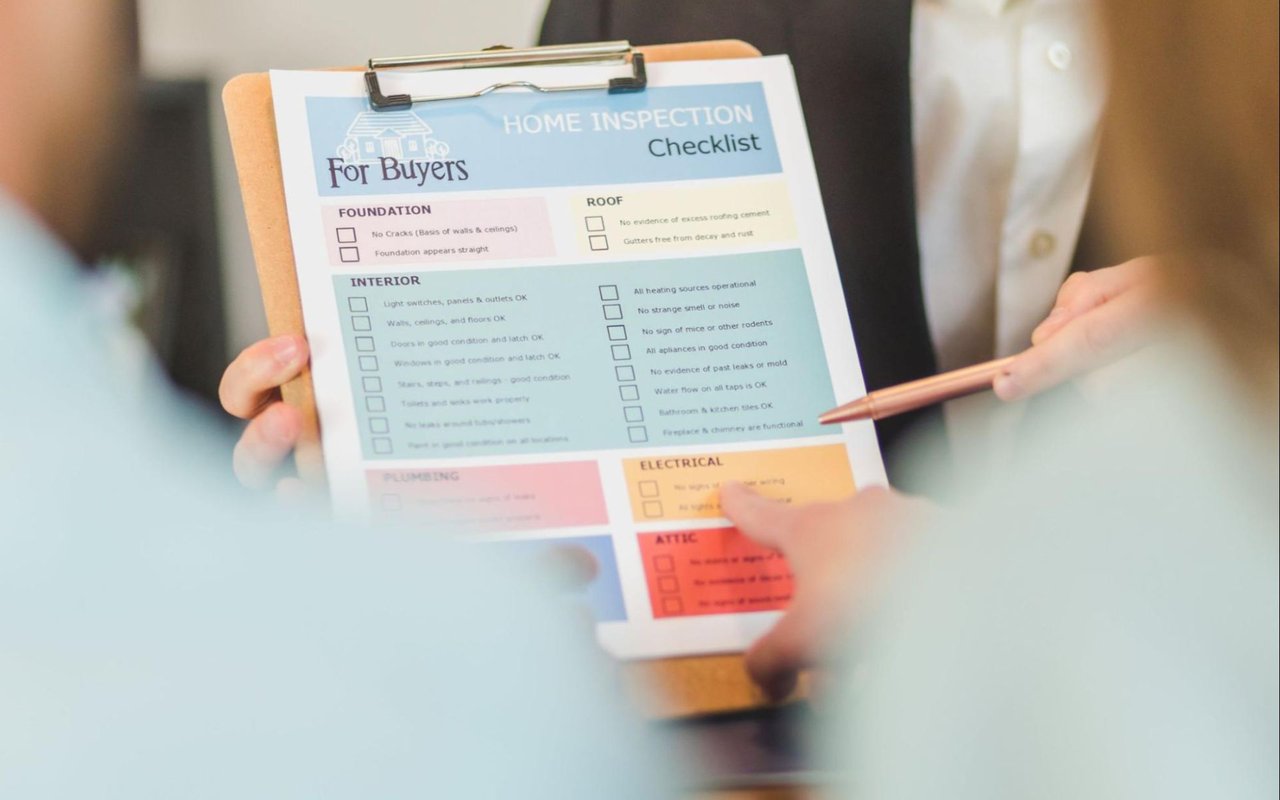
- Roof and Attic: Materials, condition, and visible issues
- Foundation and Structure: Signs of movement or concerns
- Plumbing: Visible pipes, fixtures, and water flow
- Electrical Systems: Panels, outlets, and visible wiring
- Heating and Cooling: Equipment condition and operation
Understanding this scope helps buyers set realistic expectations.
Charleston-Specific Inspection Considerations
Charleston homes have characteristics buyers should understand.
Local Factors That Matter
What Buyers Should Expect in Charleston
- Older Construction: Many homes have historic or older components
- Coastal Environment: Moisture and humidity affect materials
- Crawl Spaces: Common in the area and closely evaluated
- Renovations Over Time: Homes may show updates from different eras
The buyers home inspection process in Charleston often includes these local nuances, which is why experience matters.
Attending the Home Inspection
Being present can be helpful, but it’s optional.
Why Attendance Can Be Valuable
Benefits of Attending the Inspection
- Direct Explanations: Inspectors can show issues in real time
- Better Understanding: Seeing findings firsthand adds clarity
- Maintenance Insight: Learning how systems function
- Asking Questions: Immediate answers help reduce confusion
I often encourage buyers to attend at least part of the inspection when possible.
Understanding the Inspection Report
Inspection reports can feel overwhelming at first glance.
How to Read the Report Effectively
What to Focus On
- Major Issues: Structural, mechanical, or system-related items
- Safety or Function Concerns: Items affecting usability
- Maintenance Items: Helpful information, not deal-breakers
- Photos and Descriptions: Context matters more than the list length
Almost every inspection report looks long. That doesn’t mean the home is a problem.
What Happens After the Inspection
The inspection leads to important decisions.
Buyer Options After Reviewing the Report
Common Next Steps
- Request Repairs: Focused on material issues
- Request Credits: Alternative to repairs in some cases
- Move Forward As-Is: When findings are acceptable
- Renegotiate Terms: Based on inspection discoveries
I guide buyers through these options so decisions are strategic, not emotional.
How Inspections Affect Negotiations
Inspections often shape final terms.
Using the Inspection Wisely
Negotiation Strategies I Use
- Prioritization: Focusing on items that truly matter
- Market Context: Understanding what’s reasonable locally
- Clear Communication: Keeping requests professional and focused
- Solution-Oriented Approach: Repairs, credits, or adjustments
The buyers home inspection process in Charleston is as much about negotiation strategy as it is about condition.
What Not to Expect From a Home Inspection
Inspections have limits.
Common Misunderstandings
What Inspections Don’t Do
- Guarantee Future Performance: Systems can change over time
- Predict All Issues: Hidden problems may not be visible
- Assess Cosmetic Preferences: Focus is on condition, not style
- Replace Due Diligence: Buyers still need to ask questions
Understanding these limits helps buyers stay grounded.
How First-Time Buyers Should Approach Inspections
Inspections can feel intimidating at first.
Tips for First-Time Buyers
How to Stay Confident
- Expect Findings: Every home has them
- Ask Questions: There are no bad questions
- Focus on Big Picture: Condition, not perfection
- Lean on Guidance: Use your agent’s experience
I spend a lot of time helping first-time buyers understand what truly matters.
How Sellers Prepare for Buyer Inspections
Preparation can make a difference.
Seller Preparation Basics
What Helps Inspections Go Smoothly
- Access: Clear entry to systems and spaces
- Basic Maintenance: Simple fixes completed in advance
- Documentation: Records of repairs or updates
- Clean Presentation: Helps inspectors move efficiently
Well-prepared homes often move through inspections more smoothly.
Why the Inspection Phase Matters So Much
This phase protects buyers and supports informed decisions.
The Bigger Picture
Why Inspections Are Valuable
- Clarity: Buyers know what they’re purchasing
- Confidence: Decisions feel informed, not rushed
- Negotiation Leverage: Facts support fair discussions
- Long-Term Planning: Buyers understand future maintenance
The buyers home inspection process in Charleston is a critical step toward confident ownership.
Frequently Asked Questions
Is a home inspection required in Charleston?
It’s not required, but it’s strongly recommended for buyers.
Should I walk away if the inspection finds issues?
Not necessarily. Most issues can be addressed or negotiated.
How long does the inspection process take?
The inspection itself usually takes a few hours, with reports delivered shortly after.
Contact Kim Meyer Today
If you’re navigating the buyers home inspection process in Charleston, having the right guidance can make all the difference. I help buyers understand inspection findings clearly and use that information strategically, without unnecessary stress.
Reach out to me, Kim Meyer today and let’s talk about your home search. Whether you’re preparing for your first inspection or reviewing a report, I’ll help you move forward with confidence, clarity, and a plan that supports your goals.