By Kim Meyer
Owning a historic home in Charleston is a privilege, but it also comes with responsibility. I work with buyers who are drawn to original architecture, centuries-old craftsmanship, and the irreplaceable character found throughout the peninsula. These homes tell stories, but they also require thoughtful care and informed decision-making. If you’re considering ownership or already live in one, understanding how to approach preservation from day one makes the experience far more rewarding.
Key Takeaways
- Historic homes require specialized upkeep and planning
- Local guidelines influence renovation decisions
- Preventive maintenance protects long-term value
- Professional guidance matters at every stage
Understanding Charleston’s Historic Designations
Why designation status impacts ownership
- Influences renovation approvals
- Shapes exterior maintenance requirements
- Protects architectural integrity
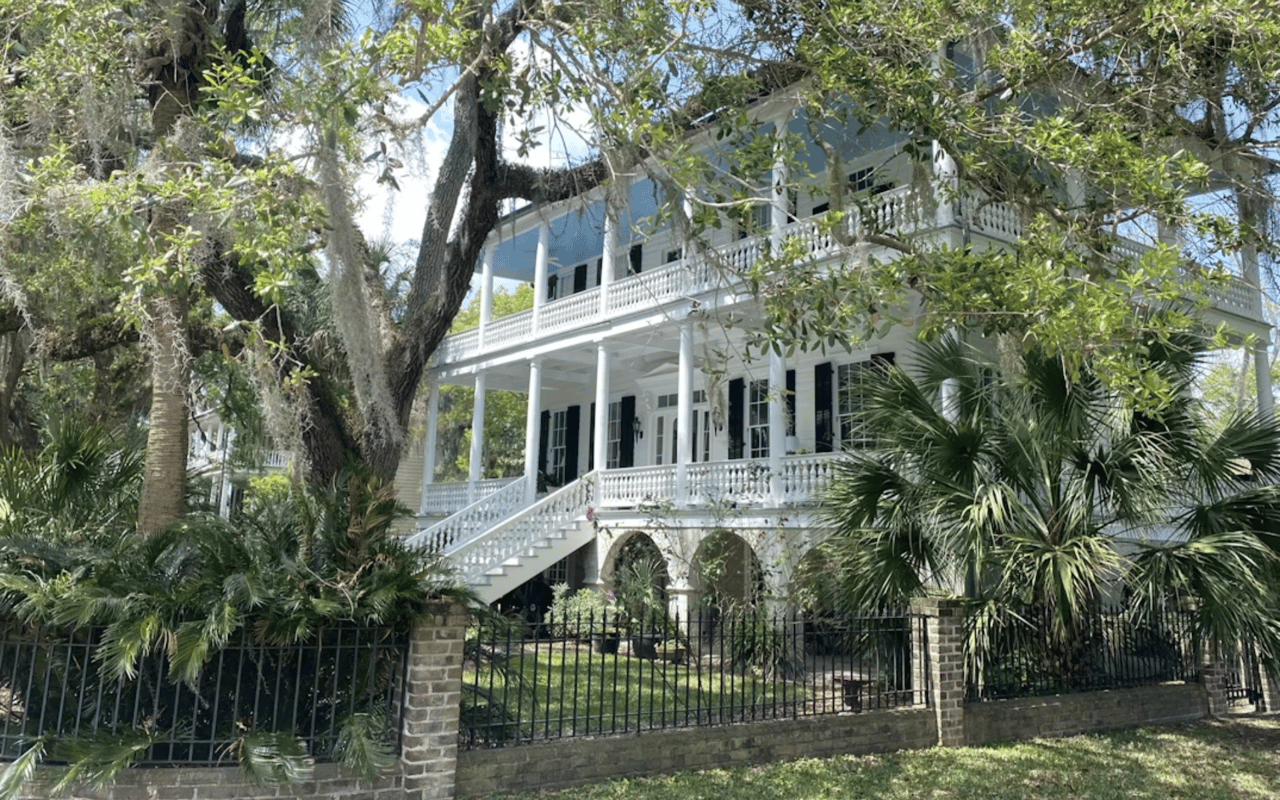
Charleston is nationally recognized for its preserved architecture, especially in areas like South of Broad, Ansonborough, and Harleston Village. Many homes fall under oversight from local preservation bodies, which means exterior changes often require approval. I always make sure buyers understand a property’s designation status early, because it directly affects what you can and cannot change.
This isn’t a drawback, but it does require planning. Whether you’re repairing shutters, updating roofing materials, or addressing structural elements, knowing the guidelines helps avoid delays and frustration. When approached correctly, these rules help maintain the historic fabric that gives Charleston its unmatched appeal.
Exterior Care and Materials Matter
Why original materials deserve attention
- Maintains architectural authenticity
- Prevents long-term damage
- Preserves resale value
Charleston’s climate plays a big role in exterior wear. Humidity, salt air, and seasonal storms can impact wood siding, brickwork, and iron details. I encourage homeowners to use materials that align with the home’s era whenever possible. Modern substitutions can sometimes cause more harm than good if they don’t allow the structure to breathe properly.
Routine inspections are essential. Keeping an eye on porches, piazzas, and rooflines helps catch small issues before they become costly repairs. In neighborhoods near the Battery or along the Cooper River, exposure can be stronger, making consistent upkeep even more important.
Interior Systems Require Specialized Attention
Why older homes need modern balance
- Protects original features
- Improves daily comfort
- Supports long-term livability
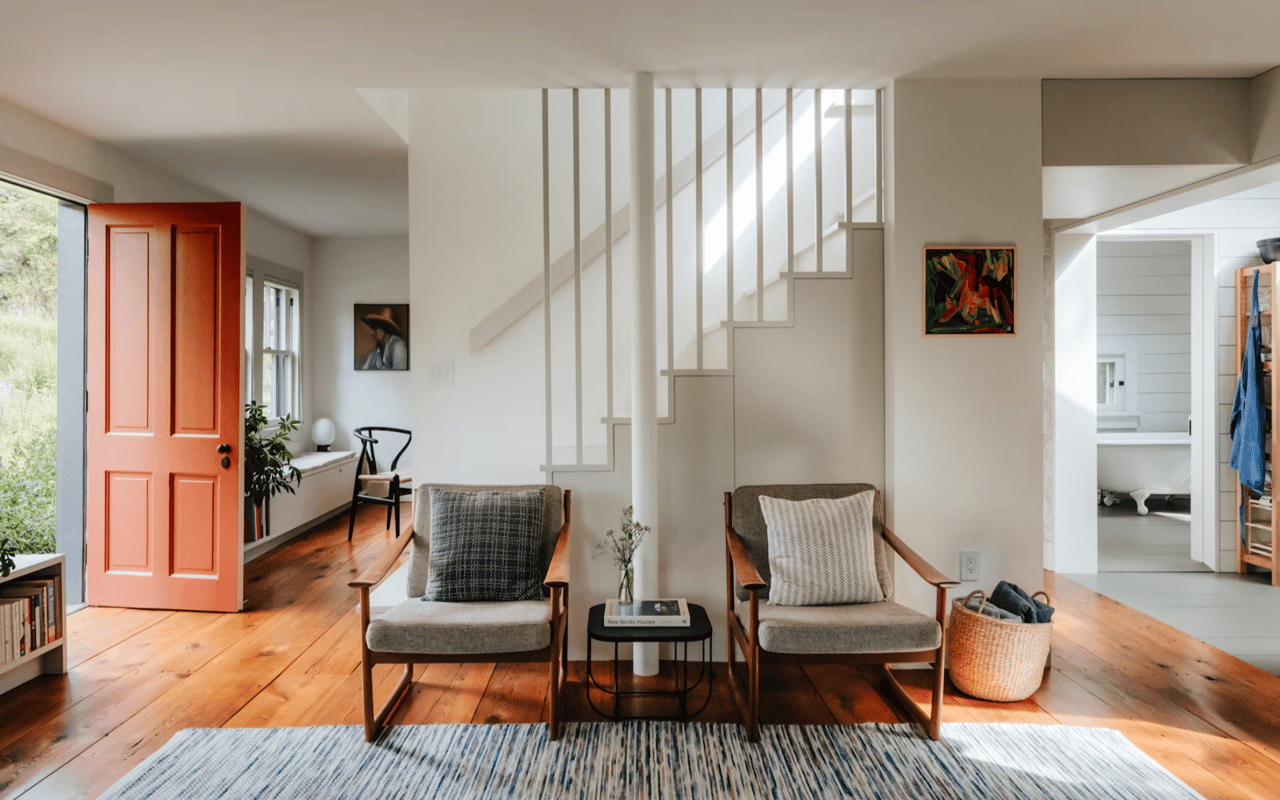
Behind the charm of historic homes are systems that may need updating. Plumbing, electrical, and HVAC components often reflect multiple generations of upgrades. I advise buyers to focus on how well these systems integrate with the original structure rather than simply replacing everything outright.
The goal is balance. You want modern comfort without compromising historic integrity. Thoughtful updates allow you to enjoy the home fully while respecting its past, which is a key part of maintaining historic homes in Charleston successfully over time.
Preventive Maintenance Is Non-Negotiable
Why routine care saves money
- Reduces emergency repairs
- Extends material lifespan
- Protects structural integrity
Historic homes reward proactive care. I tell clients to treat maintenance as an ongoing process, not a reaction to visible problems. Simple habits like monitoring moisture levels, maintaining proper drainage, and checking crawl spaces can prevent significant issues down the line.
Homes near White Point Garden or Colonial Lake often sit on older foundations that benefit from consistent attention. Preventive maintenance preserves not just the home itself, but also your peace of mind as an owner.
Landscaping and Drainage Play a Bigger Role Than You Think
How outdoor choices affect the home
- Controls moisture around foundations
- Protects exterior materials
- Enhances curb appeal
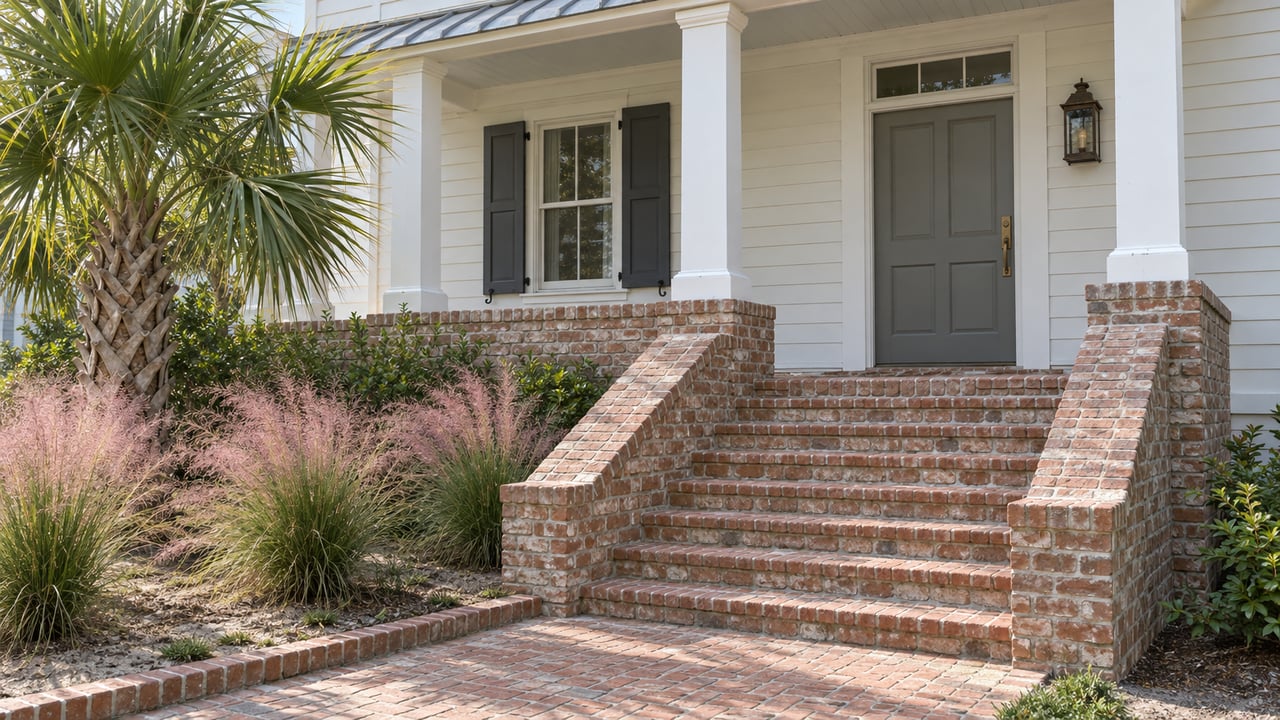
Charleston’s flat topography means water management is critical. Landscaping choices should support proper drainage away from the home. I recommend working with professionals familiar with historic properties who understand how grading, plant placement, and hardscaping interact with older structures.
Mature gardens are part of the charm in areas like Radcliffeborough and Elliottborough, but they need to be maintained carefully. Tree roots, irrigation systems, and soil levels can all impact foundations if not managed correctly.
Budgeting for Long-Term Ownership
Why financial planning matters
- Anticipates specialized repairs
- Supports quality workmanship
- Prevents rushed decisions
Historic homes often require a different budgeting mindset. Repairs can involve skilled craftsmen and period-appropriate materials, which may cost more upfront but pay off long term. I always encourage buyers to plan beyond the purchase price and set aside reserves specifically for preservation-related needs.
This approach allows you to use top-tier professionals when needed instead of cutting corners. Over time, thoughtful investment helps maintain both the home’s condition and its market appeal.
Working With the Right Professionals
Why experience makes a difference
- Ensures proper techniques
- Avoids costly mistakes
- Streamlines approvals
Not every contractor understands historic construction. I guide homeowners toward professionals who specialize in older homes and know Charleston’s preservation standards. This makes the process smoother and helps ensure work is done correctly the first time.
From inspections to renovations, the right team protects the value of your investment. This is especially important when maintaining historic homes in Charleston, where expertise truly matters.
FAQs
Are historic homes harder to maintain than newer homes?
They require a different approach, but not necessarily more work. With proper planning and routine care, ownership can be very manageable.
Can I update the interior of a historic home?
In most cases, yes. Interior changes are often more flexible, but it’s important to respect original features and structural elements.
Do historic homes hold their value well?
When maintained properly, they often do. Charleston’s demand for historic properties remains strong due to their limited supply and character.
Contact Kim Meyer Today
If you’re considering buying or already own a historic home in Charleston, I can help you navigate ownership with confidence. I work closely with clients to make sure every decision supports both lifestyle goals and long-term value, from inspections to ongoing care.
Speak with me, Kim Meyer, to talk through what maintaining historic homes in Charleston really looks like and how to approach ownership with clarity and the right strategy.