By Kim Meyer
When buyers tell me they’re dreaming of owning a historic home in Charleston, I know the search is going to be both exciting and nuanced. Charleston’s architecture tells a story, and historic homes here offer charm, craftsmanship, and a sense of place that newer construction simply can’t replicate. At the same time, finding the right historic home requires a clear strategy and local insight.
If you’re wondering how to find a historic home in Charleston, this guide will walk you through what to look for, where to focus, and how to approach the process with confidence. My goal is to help you enjoy the character of Charleston while making smart, informed decisions along the way.
Key Takeaways
- Historic homes in Charleston require a targeted search approach
- Location and designation matter more than many buyers expect
- Understanding condition and flexibility is essential
Understand What “Historic” Means in Charleston
Not every older home is considered historic.
Why Definition Matters
Types of Historic Designation to Know
- National Register Properties: Recognized for architectural or historical significance
- Local Historic District Homes: Subject to specific guidelines
- Contributing Properties: Homes that add to a district’s character
- Older Non-Designated Homes: Historic in feel, but with more flexibility
Understanding these distinctions is a critical first step in learning how to find a historic home in Charleston.
Focus on the Right Neighborhoods
Location plays a major role in historic home availability.
Where Historic Homes Are Most Common
Areas Buyers Often Explore
- South of Broad: Known for iconic architecture and walkability
- Ansonborough: Rich in restored historic residences
- Harleston Village: Popular for classic Charleston homes
- Wraggborough and Radcliffeborough: Blend of history and evolving appeal
Each area offers a different feel, and I help buyers match neighborhoods to lifestyle preferences.
Know What Architectural Styles to Look For
Charleston’s history shows up in its architecture.
Common Historic Styles in Charleston
Styles Buyers Often Encounter
- Single Houses: Designed for airflow and narrow lots
- Charleston Double Houses: Porches and symmetry
- Georgian and Federal Styles: Formal and balanced designs
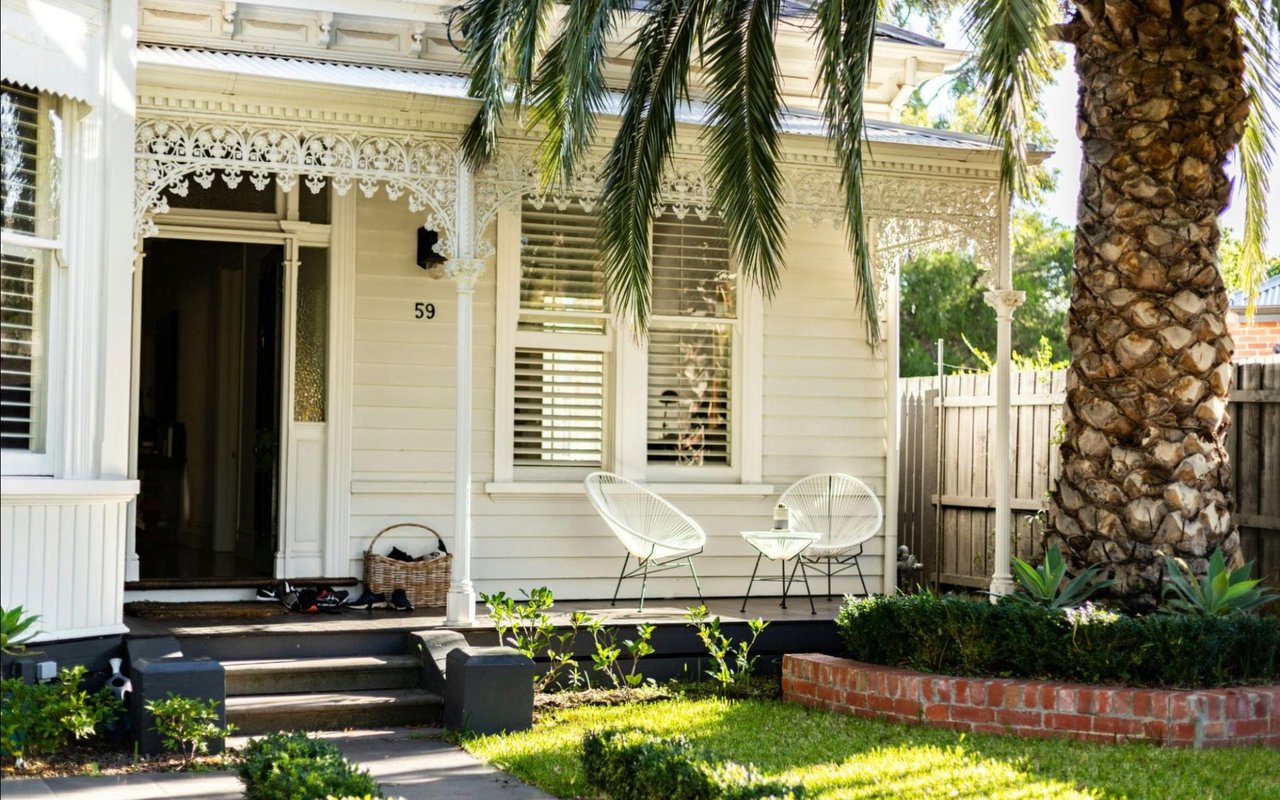
- Victorian-Era Homes: Decorative details and varied layouts
Recognizing these styles helps buyers narrow their search and spot opportunities more easily.
Work With an Agent Who Specializes in Historic Homes
Historic homes require specific local knowledge.
Why Expertise Matters
How I Support Historic Home Buyers
- Targeted Searches: Accessing homes before they hit the broader market
- District Knowledge: Understanding guidelines and expectations
- Property Evaluation: Assessing condition and potential
- Clear Guidance: Explaining what flexibility exists and where it doesn’t
Learning how to find a historic home in Charleston is much easier with someone who works in this niche regularly.
Understand Condition vs. Character
Every historic home has a story, including wear.
How to Evaluate a Historic Home Realistically
What to Look Beyond
- Original Features: Floors, fireplaces, millwork
- Past Updates: Kitchens, baths, and systems
- Layout Functionality: How the home lives today
- Maintenance History: Ongoing care matters
The goal is to appreciate character while understanding what ownership looks like day to day.
Be Open to Different Levels of Restoration
Not all historic homes are fully restored.
Restoration Spectrum to Consider
Types of Opportunities
- Fully Restored Homes: Move-in ready with preserved character
- Partially Updated Homes: Blend of original and modern
- Light Restoration Projects: Cosmetic updates needed
- Significant Restoration Opportunities: For buyers with vision
Flexibility can open up more options when learning how to find a historic home in Charleston.
Understand Guidelines Before Planning Changes
Historic homes often come with rules.
Why Planning Ahead Is Important
Questions to Ask Early
- What exterior changes are allowed?
- Are additions or expansions possible?
- What approvals are required?
- How long do reviews typically take?
Understanding these guidelines helps buyers avoid surprises later.
Balance Historic Charm With Modern Living
Many buyers want the best of both worlds.
How Buyers Strike the Right Balance
Common Priorities
- Updated Kitchens and Baths: For daily comfort
- Modern Systems: Heating, cooling, and electrical
- Functional Layouts: Adapted for today’s lifestyle
- Preserved Details: Keeping what makes the home special
I help buyers evaluate whether a home already meets this balance or has the potential to do so.
Financing Considerations for Historic Homes
Financing can vary depending on condition.
What Buyers Should Be Aware Of
Financing Factors
- Condition Requirements: Lenders may have standards
- Appraisal Nuances: Comparables matter
- Renovation Loans: Options for certain projects
- Insurance Considerations: Coverage specifics vary
These details are part of the broader strategy when figuring out how to find a historic home in Charleston.
Timing Matters in the Historic Home Market
Historic inventory can be limited.
How Timing Affects Your Search
Market Timing Insights
- Fewer Listings: Compared to newer construction
- Strong Buyer Interest: Especially for well-located homes
- Off-Market Opportunities: Sometimes available
- Preparation Pays Off: Ready buyers move faster
Patience and preparation often lead to better outcomes.
Common Mistakes Buyers Make With Historic Homes
Avoiding missteps protects both enjoyment and value.
What to Watch Out For
Buyer Pitfalls
- Focusing Only on Charm: Ignoring functionality
- Not Understanding Guidelines: Before making plans
- Underestimating Maintenance: Ongoing care is part of ownership
- Skipping Expert Guidance: Experience matters
Being informed makes the process far more rewarding.
How I Help Clients Find the Right Historic Home
Every buyer’s vision is different.
My Approach
How I Guide Historic Home Searches
- Clarifying Priorities: Location, style, and flexibility
- Targeted Tours: Homes that truly fit your goals
- Local Insight: Neighborhood and property-level context
- Long-Term Perspective: Helping buyers think beyond the purchase
My role is to help you find a home that fits both your lifestyle and Charleston’s historic character.
Frequently Asked Questions
Are historic homes harder to buy in Charleston?
They can be more nuanced, but with the right guidance, the process is very manageable.
Can historic homes be updated?
Yes, but changes often need to align with local guidelines.
Do historic homes hold value well?
Many do, especially when well-maintained and located in desirable areas.
Contact Kim Meyer Today
If you’re serious about learning how to find a historic home in Charleston, I’d love to help you navigate the process with clarity and confidence. Historic homes are special, and finding the right one should feel exciting, not overwhelming.
Reach out to me, Kim Meyer today and let’s talk about your vision. Whether you’re just starting your search or refining your criteria, I’ll help you explore Charleston’s historic homes with the insight and guidance you deserve.