11,183 people live in Daniel Island, where the median age is 45 and the average individual income is $94,290. Data provided by the U.S. Census Bureau.
Total Population
Median Age
Population Density Population Density This is the number of people per square mile in a neighborhood.
Average individual Income
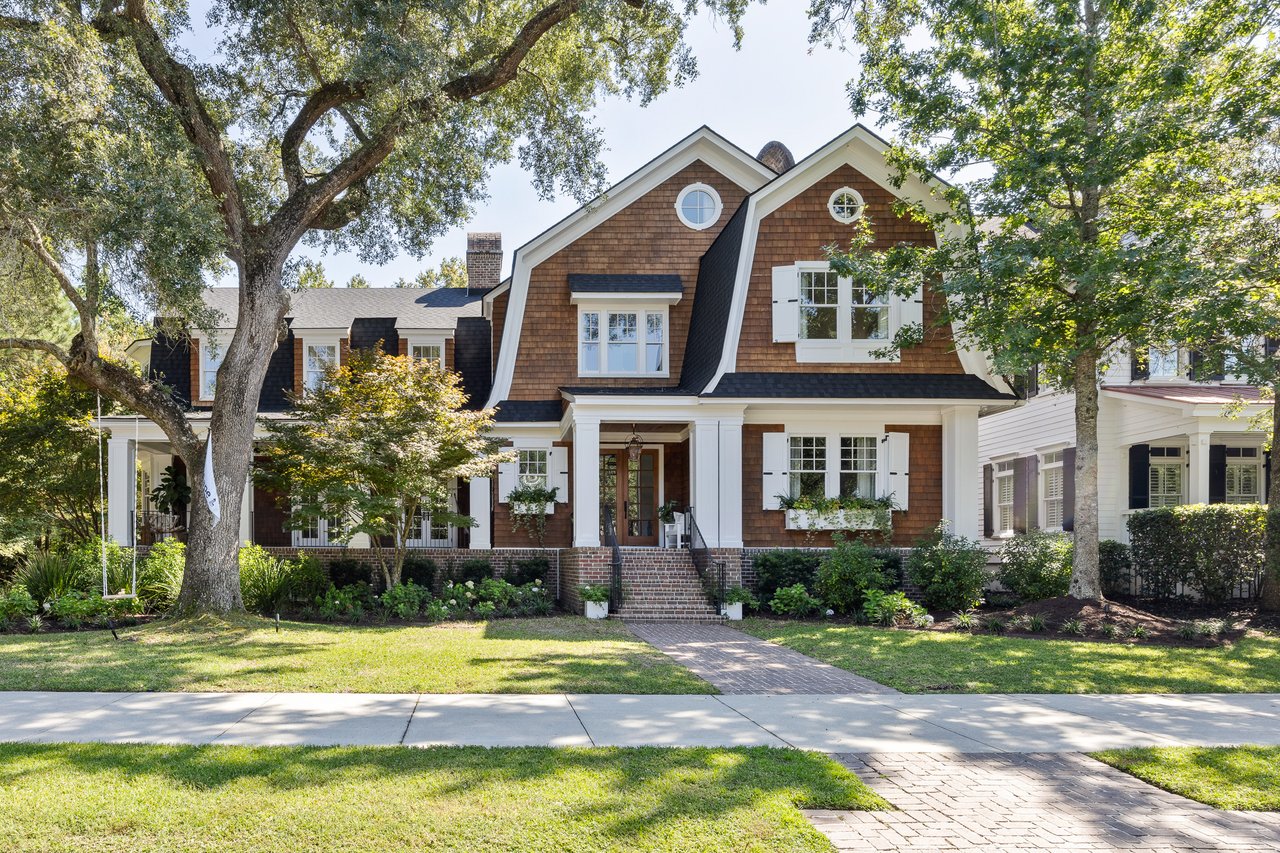
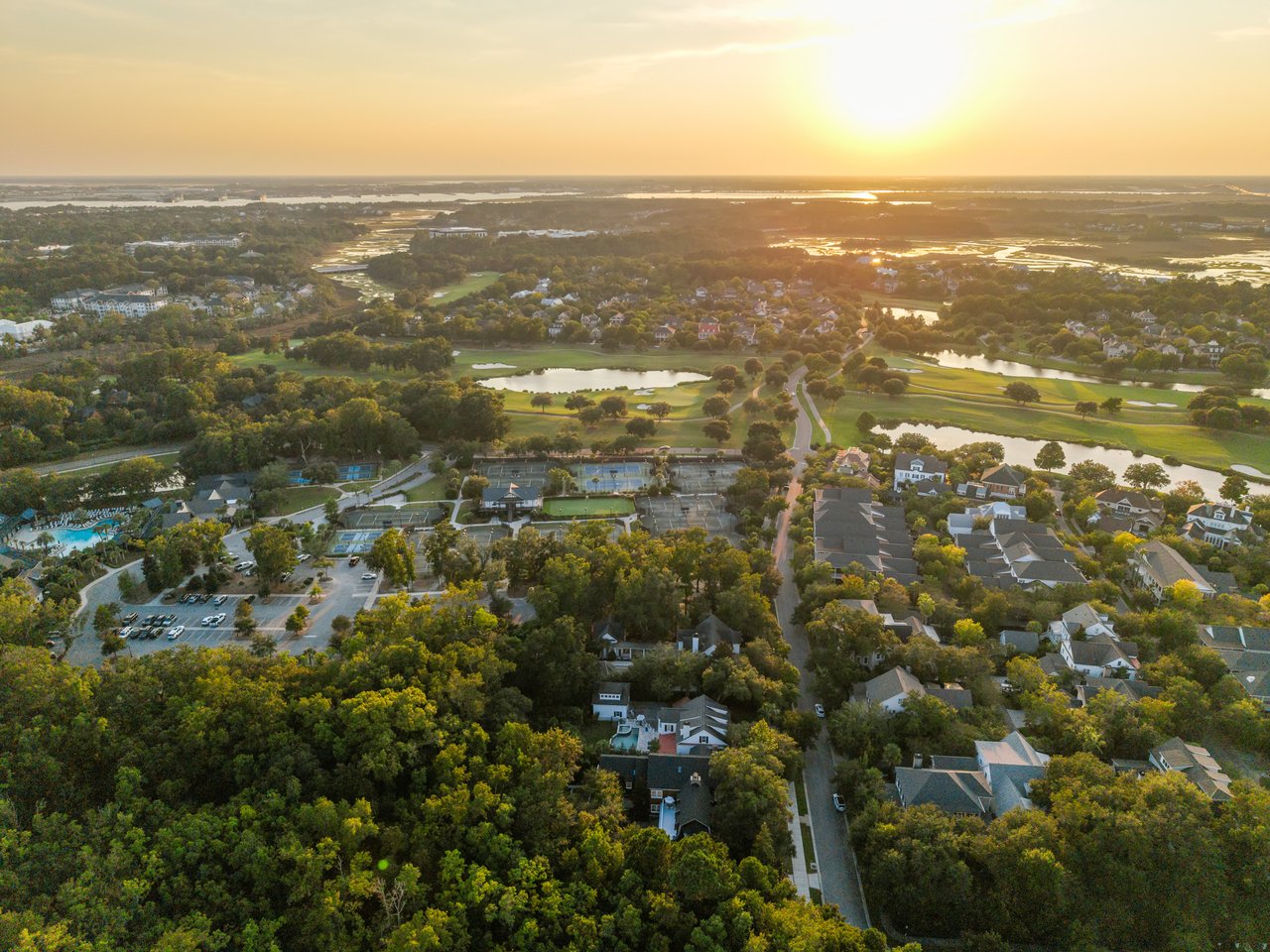
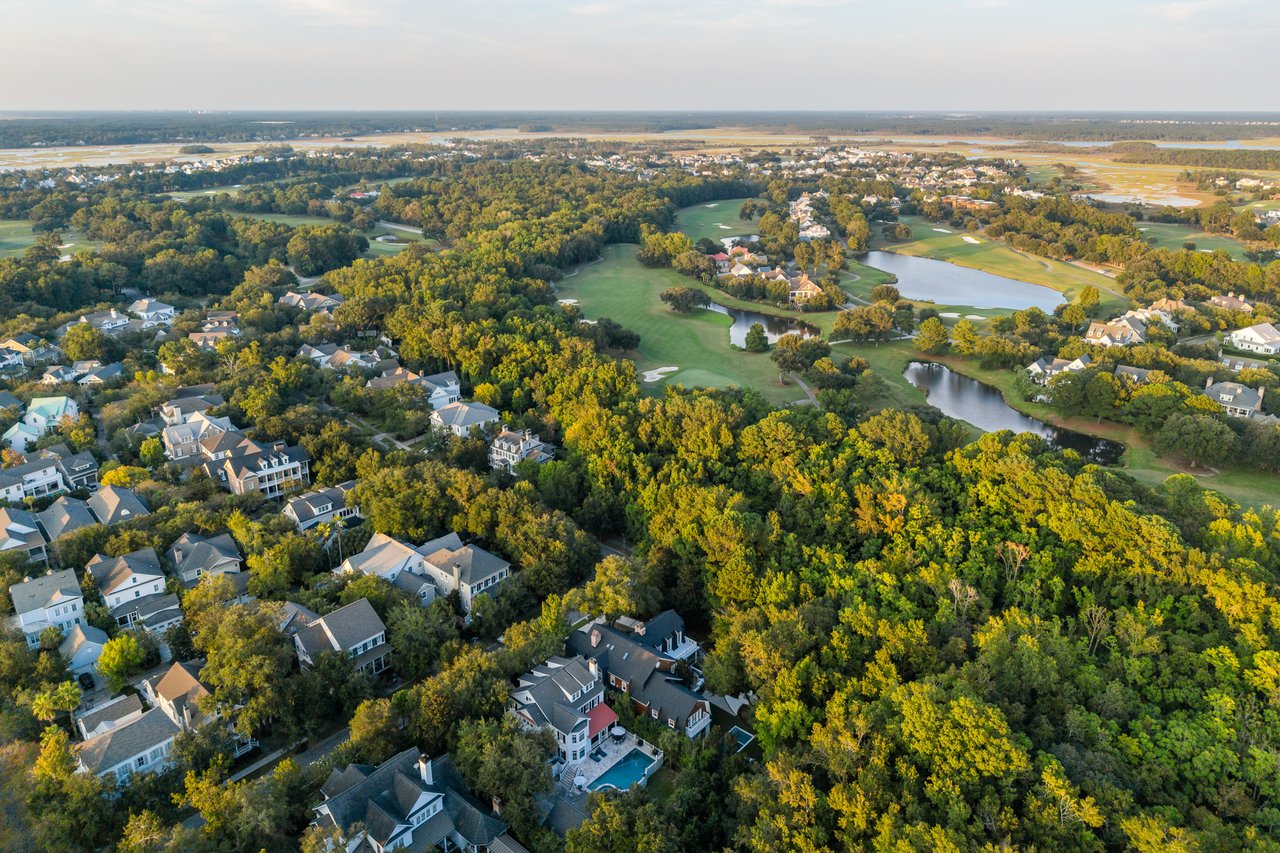
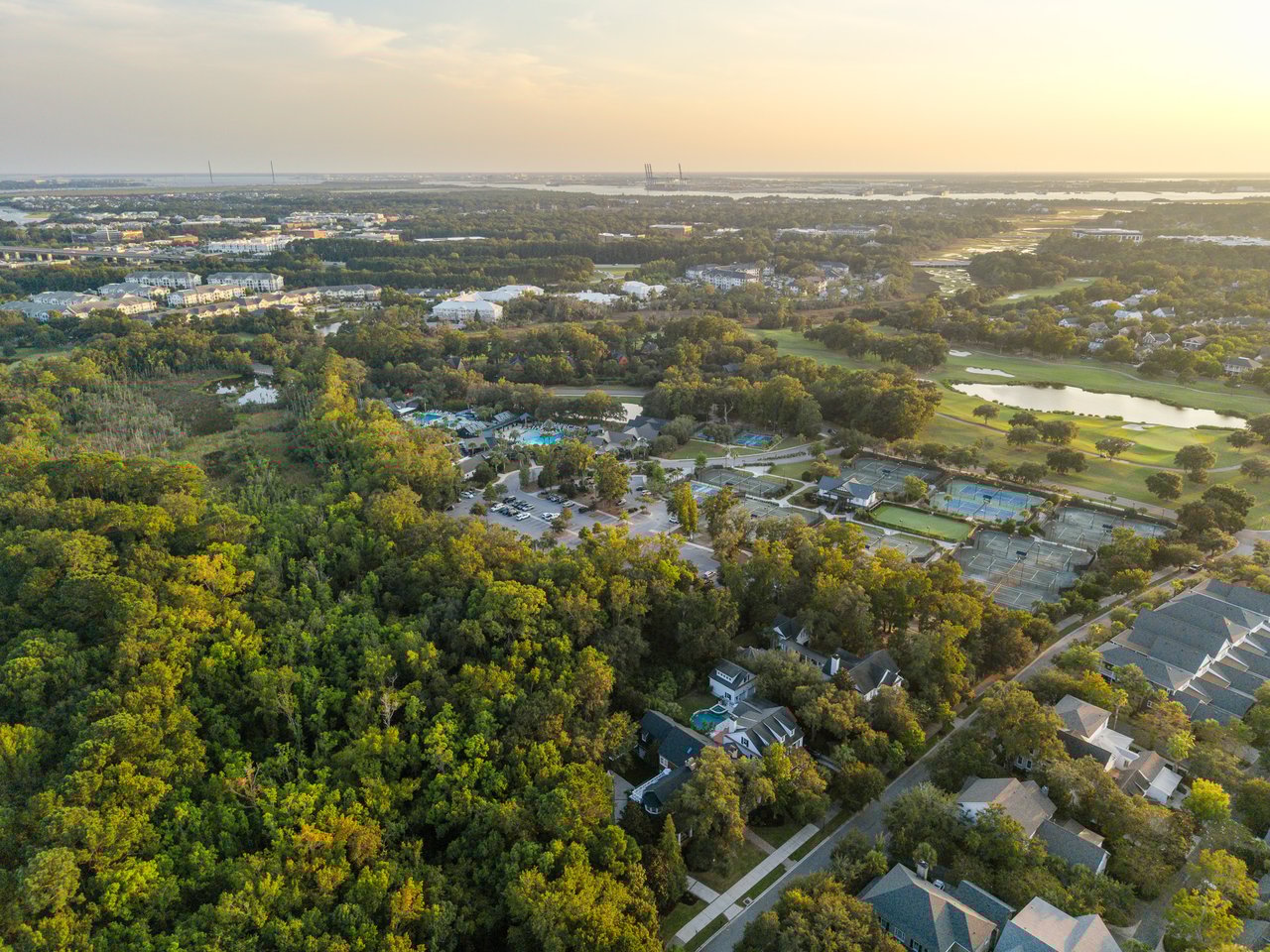
Daniel Island represents one of the Charleston area's most ambitious examples of New Urbanism—a 4,000-acre planned community that transformed from a private cattle ranch into a nationally recognized model of smart growth. Nestled between the Cooper and Wando Rivers in Berkeley County but annexed into the City of Charleston, this self-contained island community offers residents a rare combination of coastal living, walkable neighborhoods, and master-planned amenities. The island's strict architectural guidelines ensure a cohesive Southern aesthetic throughout, while its extensive trail system and "golf cart culture" foster the kind of neighborly interaction that has become increasingly rare in modern suburban development.
What distinguishes Daniel Island from typical suburban communities is its intentional design as a complete "island town" where residents can live, work, shop, and recreate without leaving the community. The presence of Credit One Stadium—an 11,000-seat venue hosting professional tennis and major concerts—adds an unexpected urban amenity to this otherwise residential enclave. With its Neo-Traditional Lowcountry architecture, 25+ miles of trails, and proximity to both downtown Charleston and the beaches, Daniel Island has become particularly attractive to young professional families relocating from the Northeast and California, as well as retirees seeking an active lifestyle in a secure, amenity-rich environment.
Daniel Island's transformation from agricultural isolation to planned community exemplifies deliberate preservation followed by thoughtful development. The island was originally inhabited by the Etiwan tribe before being granted to Robert Daniell, a colonial governor of South Carolina, in the late 17th century. Throughout the 18th and 19th centuries, the land functioned as plantation territory used for farming, cattle ranching, and indigo cultivation. Its separation from the mainland by rivers and marshes kept it rural and isolated even as Charleston urbanized around it.
The modern chapter began in 1947 when the Harry Frank Guggenheim Foundation purchased the entire island as a single parcel. For nearly five decades, the Guggenheim family maintained it as a private cattle ranch and hunting retreat, inadvertently preserving the natural environment while surrounding areas developed. This single-ownership structure proved crucial—when development finally came, it arrived as a comprehensive master plan rather than piecemeal subdivision.
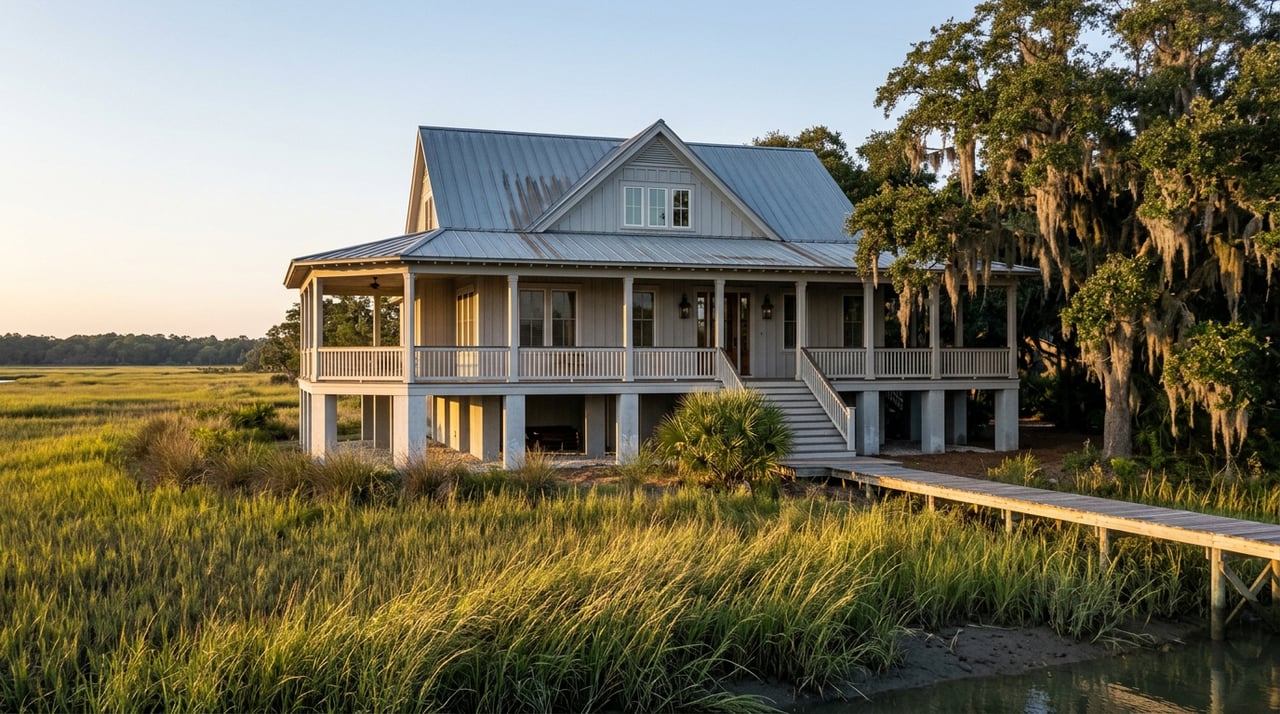
The catalyst for change came in the early 1990s with the construction of Interstate 526, which connected the previously isolated island to North Charleston and Mount Pleasant. Before selling in 1997, the Guggenheim Foundation commissioned a master plan ensuring the island wouldn't become generic sprawl. The Daniel Island Company executed a New Urbanism vision emphasizing walkable neighborhoods, mixed housing types, architectural harmony, and community-centric public spaces. The result is a development that mimics classic Lowcountry and Charlestonian styles—wide front porches, elevated foundations, detached garages—while incorporating modern infrastructure, extensive green spaces, and a defined commercial center. Today, Daniel Island stands as a nationally recognized example of smart growth, demonstrating that large-scale development can preserve community character while accommodating contemporary lifestyles.
Daniel Island occupies a unique geographic position in the Charleston metropolitan area, often described as "the hole in the donut"—centrally located yet physically distinct. The island's 4,000 acres sit between the Cooper River to the west and the Wando River to the east, with Beresford Creek forming the northern boundary. This creates approximately 23 miles of river and creek shoreline, though it's important to note that Daniel Island is not a beach destination. The surrounding waters and salt marshes define the maritime landscape but don't offer sandy swimming beaches—those require a 20-25 minute drive to Isle of Palms or Sullivan's Island.
The island's political status reflects its geographic peculiarity. While annexed into the City of Charleston for police and fire services, it falls within Berkeley County for school administration and certain taxes. This split jurisdiction occasionally confuses newcomers but rarely affects daily life. The terrain is quintessentially Lowcountry—flat coastal plain just above sea level, featuring maritime forests of Live Oaks draped in Spanish moss, palmetto trees, and extensive salt marshes along the perimeter. The master plan preserved over 400 acres of open space and created an extensive network of man-made lakes and ponds that serve both aesthetic and stormwater management purposes.
Proximity to major destinations makes Daniel Island particularly convenient for commuters and travelers. Downtown Charleston sits 15-20 minutes south via I-26, while Charleston International Airport is 15 minutes west via I-526. Mount Pleasant lies immediately across the Wando River bridge, accessible in 5-10 minutes. This central position allows residents to reach most Charleston-area destinations within 20-30 minutes under normal traffic conditions. The climate follows the humid subtropical pattern typical of coastal South Carolina—hot, humid summers with afternoon thunderstorms, and mild winters where snow is extremely rare. Like all coastal areas, the island faces hurricane and tropical storm risk from June through November, though modern drainage infrastructure generally handles storm surge better than older Charleston neighborhoods.
The Daniel Island real estate market has transitioned from the frenzied seller's market of the early 2020s to a more balanced environment as of early 2026. The median sales price across the island ranges from $1.6 million to $1.7 million, though this figure masks significant variation between neighborhoods. Standard residential areas typically see homes in the $1.2-2 million range, while Daniel Island Park—the exclusive northern section with country club access—commands $2.5-8 million or more for custom estates with golf course frontage and deep-water docks.
Current market dynamics show prices stabilizing with moderate year-over-year growth of 1.2-5%, a dramatic slowdown from the double-digit appreciation of previous years. Days on market have extended to 60-70 days island-wide, with well-maintained turnkey properties still going pending in under 40 days when priced correctly. Inventory fluctuates between 50-100 active listings, representing improved availability compared to recent years but still constrained by historical standards. Sellers now receive on average 96-97% of their list price, and bidding wars have become less common except for rare deep-water properties or exceptionally renovated homes.
A distinct "tale of two markets" exists on the island. The luxury sector in Daniel Island Park remains relatively insulated, supported by cash buyers and extremely limited inventory. Standard single-family homes and condominiums show more price sensitivity as mortgage rates affect purchasing power. The condo and townhome market operates in the $400,000-1.5 million range depending on location and finish level, while new luxury waterfront condominiums in developments like The Waterfront command $1.5-3 million with concierge services and resort amenities. For those not ready to purchase, high-end apartment complexes offer rentals starting around $2,000 monthly for one-bedrooms and exceeding $3,500 for larger family units.
Daniel Island's architectural standards create visual cohesion while offering housing types for different lifestyles and budgets. The master plan enforces Neo-Traditional design principles that result in a distinctly Southern aesthetic throughout the community.
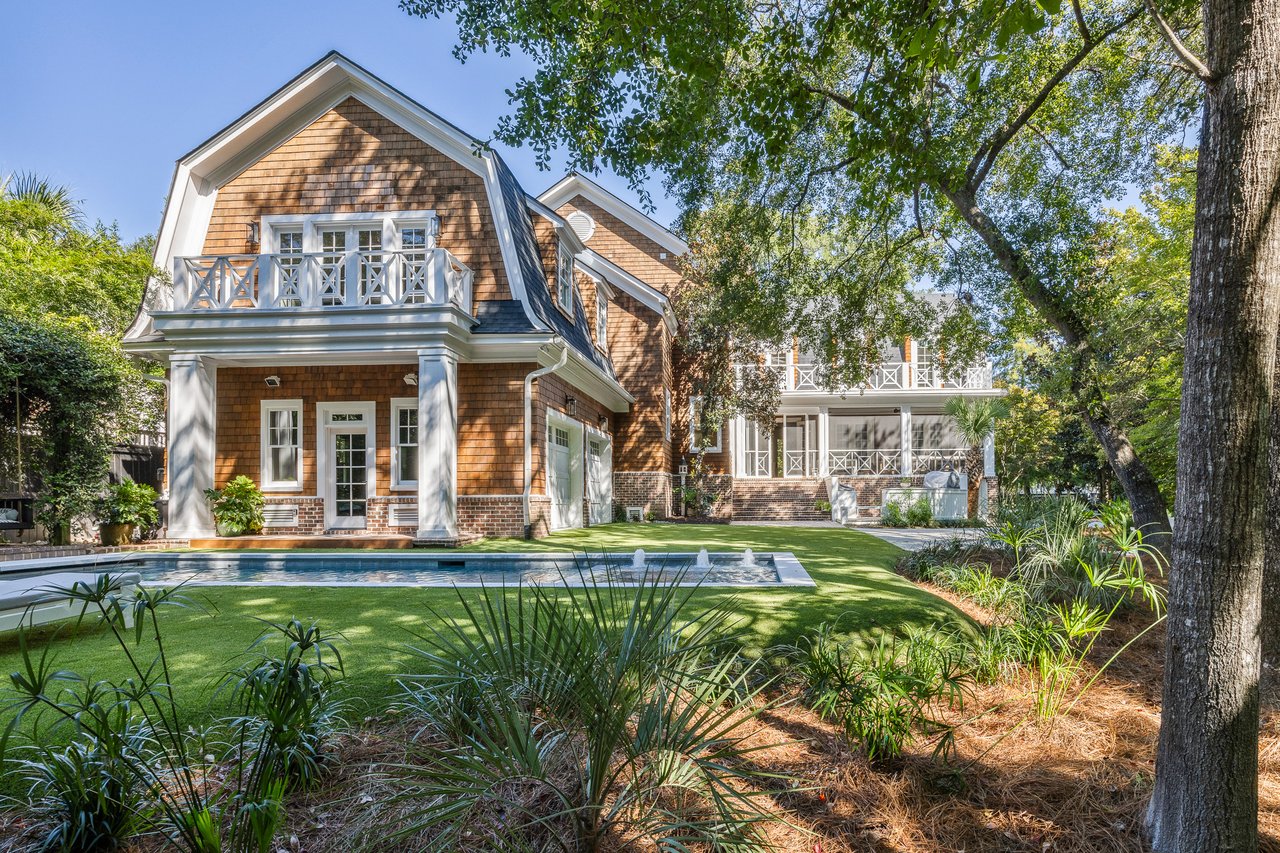
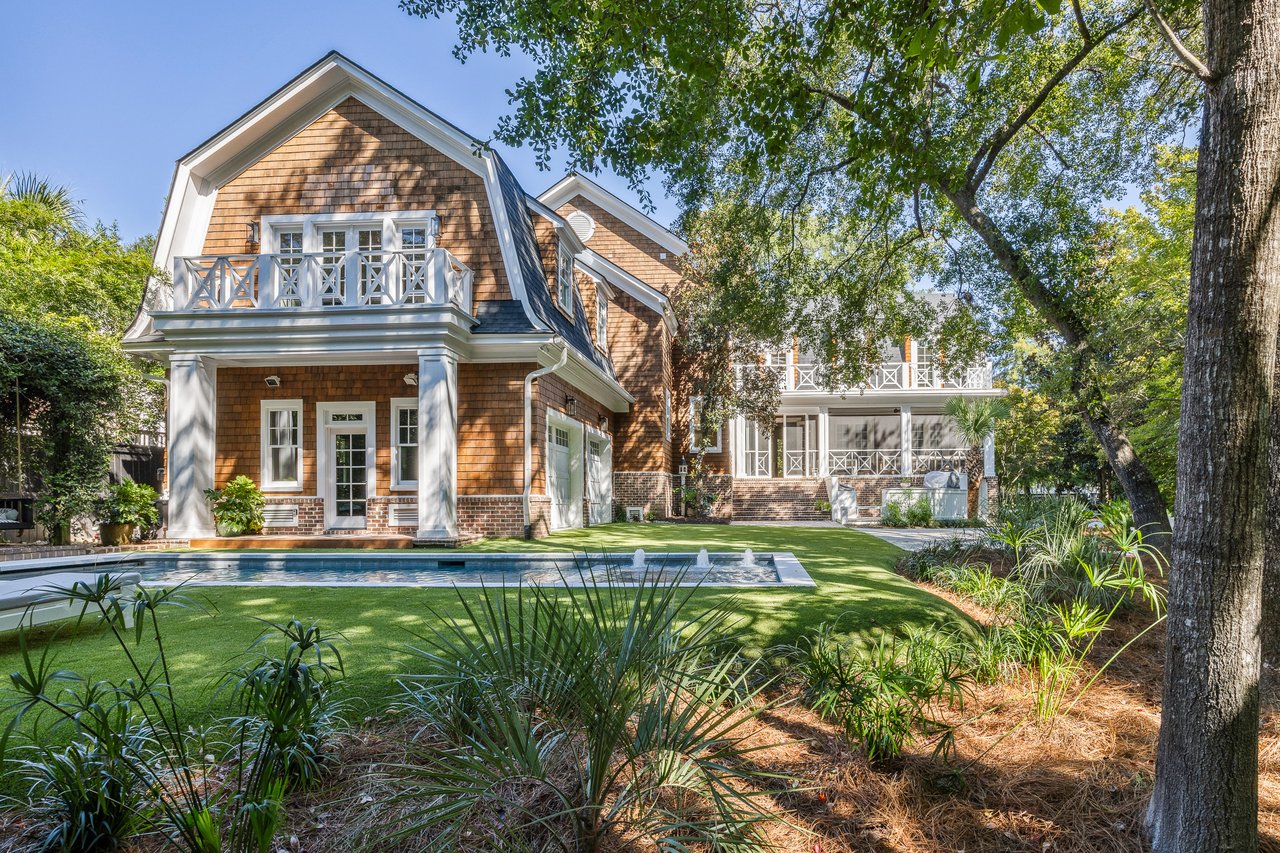
Single-family homes divide into two primary zones with markedly different character and price points. The South Side encompasses neighborhoods like Center Park, Smythe Park, and Pierce Park, featuring classic Charleston Single-style homes with wide front porches, detached garages often including finished rooms above, and manageable lots designed to encourage interaction with neighbors. These homes typically range from $1.2-2 million and represent the island's original residential vision. The North Side, known as Daniel Island Park, caters to luxury buyers seeking larger custom estates. Properties here often include golf course frontage, deep-water dock access, and significantly larger lots. Ownership in Daniel Island Park typically includes eligibility for social and golf memberships at the Daniel Island Club, which features two nationally ranked courses designed by Tom Fazio and Rees Jones. These estates command $2.5-8 million or more.
Townhomes provide a middle ground between condominiums and detached homes, scattered throughout the South Side and near the commercial district. These typically feature three-story brick or siding construction with rear-entry garages, offering 2,000+ square feet while eliminating yard maintenance concerns. Prices range from $900,000 to $1.5 million. The condominium market segments into two distinct categories. Downtown condos located above shops or in mid-rise buildings along River Landing Drive and Seven Farms Drive offer walkability to restaurants, groceries, and Credit One Stadium, typically priced between $400,000-800,000. Luxury waterfront condominiums in newer developments command premium prices from $1.5-3 million, offering concierge services, private pools, and commanding river views that rival single-family homes.
Several unique aspects of Daniel Island real estate require buyer attention beyond typical transaction concerns.
The Enhancement Fee represents the most common closing cost surprise. This transfer fee, paid to the Daniel Island Community Fund for charitable grants and community programs, typically equals 0.5% of the gross sales price, capped around $7,500-8,100. Buyers pay this fee at closing by default, though some older neighborhoods like Codner's Ferry Park have a reduced 0.25% rate. While not enormous, this fee should be factored into closing cost calculations as it's non-negotiable and specific to Daniel Island.
The HOA structure proves more complex than typical suburban developments. Rather than a single association, properties may fall under the Daniel Island Community Association (covering South Side standard residential with dues around $1,000 annually), the Daniel Island Park Association (covering the luxury/golf side with slightly higher dues), or the Daniel Island Town Association (covering commercial and condo properties). Condominium buyers may pay both a regime fee for their specific building plus the broader DITA fee. Always request the total monthly obligation in writing, as some buyers discover they're paying multiple assessments only after closing.
Flood zones and insurance require careful investigation. Properties in Zone AE face high flood risk and mandatory flood insurance with any mortgage, though elevated construction on crawl spaces typically mitigates premium costs. Zone X properties carry moderate or low risk where flood insurance isn't federally required, but "low risk" doesn't mean "no risk" in the Lowcountry—flooding can occur anywhere during major storms or king tides. Always demand an elevation certificate. Properties in AE zones with negative elevations (first floor below required flood level) can carry astronomical insurance premiums that dramatically affect affordability.
School zoning presents unique considerations. While Daniel Island falls within Charleston city limits, it's served by Berkeley County School District rather than Charleston County. Most students attend Daniel Island School (K-8) then Philip Simmons High School off-island. Daniel Island School maintains excellent ratings but has faced overcrowding issues—verify current enrollment caps when moving mid-year. Noise factors also merit consideration. Credit One Stadium hosts frequent summer concerts that are loud and audible across much of the island. Some residents enjoy the free entertainment from their porches; others find it disruptive. Additionally, the island sits under Charleston International Airport's flight path. While not as loud as North Charleston, commercial jet noise is noticeable.
Successfully selling Daniel Island real estate requires understanding buyer demographics, market timing, and several property-specific factors that differ from typical Charleston-area sales.
South Carolina's property tax structure creates a critical marketing opportunity that many sellers overlook. The state taxes primary residences at 4% but second homes and rental properties at 6%. If your property currently shows the higher 6% rate (because you're an investor or second-home owner), educate prospective buyers that their tax bill will drop significantly once they establish legal residence. Many out-of-state buyers see the current 6% assessment and get scared off without understanding this distinction. Clearly communicate in listing materials that the taxes shown reflect non-primary residence status and will be substantially lower for an owner-occupant.
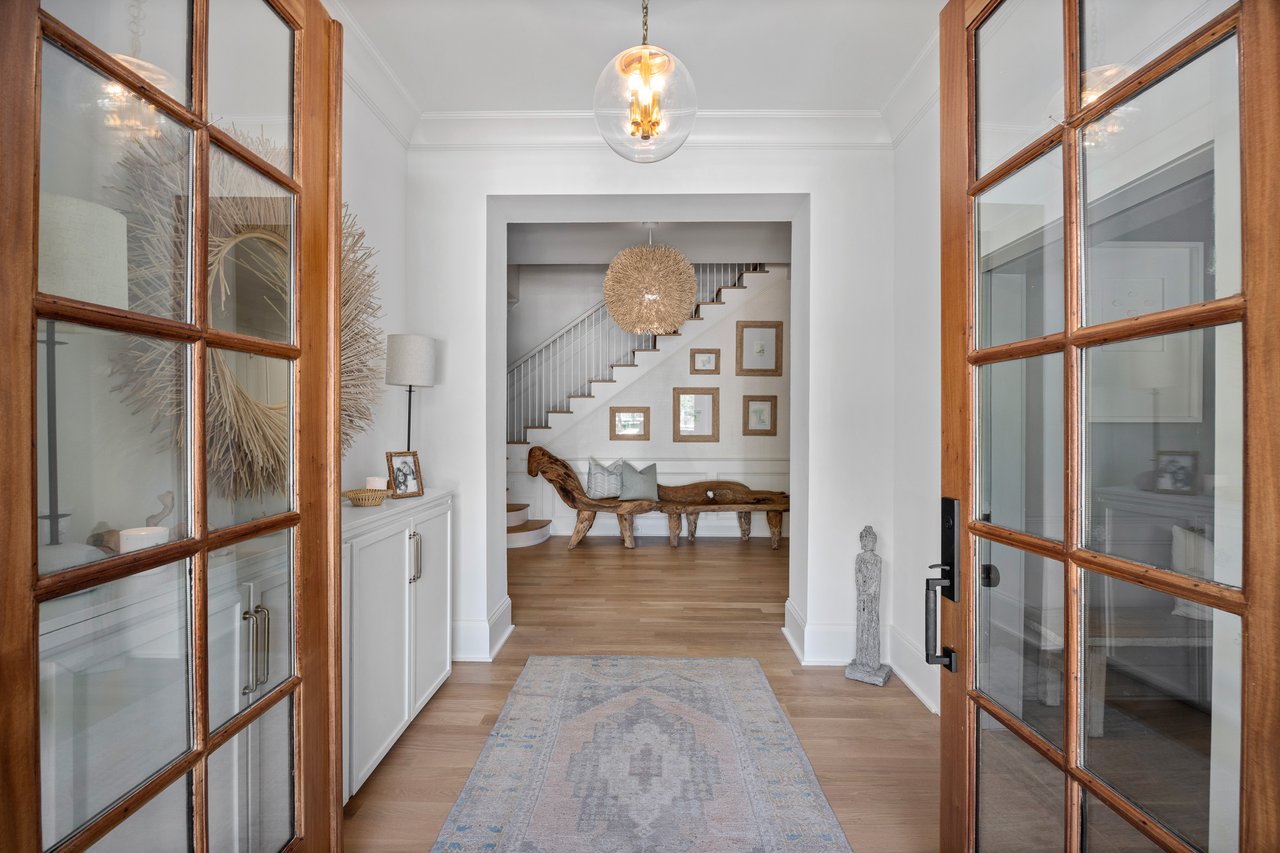
Buyer demographics have shifted dramatically in recent years. The traditional buyer base of retirees and golfers now shares the market with young professional families and remote-working executives from technology and finance sectors relocating from the Northeast (particularly New York, New Jersey, and Connecticut) and California. These buyers prioritize "light, bright, and airy" coastal aesthetics over formal traditional staging. Minimize heavy, dark furniture during showings. These relocating professionals want turnkey homes that look current and active rather than formal dining rooms they'll never use.
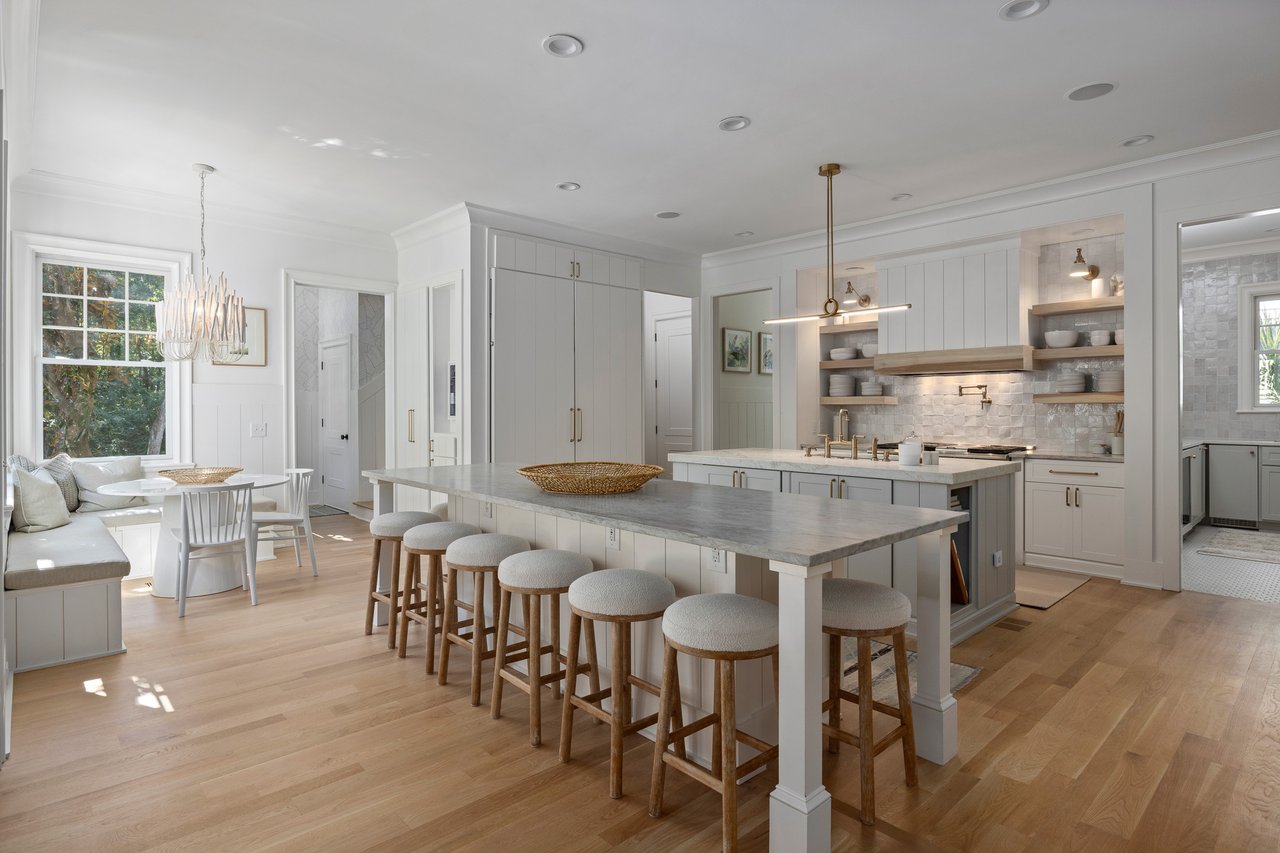
The current construction environment makes turnkey condition exceptionally valuable. Renovation costs and timelines in Charleston have become painful, with contractors booked months in advance and materials expensive. Buyers are paying significant premiums to avoid hassle. If your home has dated finishes—particularly the brown granite countertops popular in 2005—consider updates before listing. Painting cabinets white or replacing countertops often returns more than the investment by eliminating the "renovation factor" that causes buyers to deduct far more than actual costs from their offers.
Market seasonality follows school calendars. Daniel Island's family-heavy demographics mean the market heats up in March and April as families attempt to close and move before the August school start. Listing during this window maximizes buyer pool and competition. Conversely, listing during the Credit One Charleston Open tennis tournament in April creates community buzz but can complicate showings due to traffic and parking challenges.
Flood insurance transferability can be a significant selling asset. If you have an existing flood insurance policy at a favorable rate, it's often transferable to the buyer. Given that current market rates have increased substantially, a grandfathered low-rate policy can save buyers thousands annually. Advertise this prominently in listing materials and be prepared to provide policy details to serious buyers—this can differentiate your property from otherwise similar listings.
Daniel Island's dining and entertainment scene concentrates along Seven Farms Drive and the Waterfront Park area, creating a walkable hub that residents access by golf cart or bicycle as often as by car.
The Kingstide serves as the island's culinary flagship—a two-story waterfront seafood restaurant with a popular rooftop bar overlooking the Wando River. It represents the high end of island dining, serving coastal cuisine in an upscale-casual environment where you're as likely to see residents in golf attire as business casual. Sermet's Courtyard offers Mediterranean-Southern fusion with a great outdoor patio featuring live jazz, making it a long-time local favorite for date nights and special occasions. Laura Alberts Tasteful Options occupies a unique niche as part gourmet deli, part wine shop, and part restaurant—famous for its shrimp salad and craft beer selection, it serves lunch crowds and early dinner. Vespa Pizzeria provides wood-fired pizza and Italian comfort food in a relaxed, family-friendly setting, while The Dine-In (The D.I.) offers casual sports bar fare ideal for burgers and watching football.
Morning and casual dining centers around several community gathering spots. Blondie's Bagels & Cafe serves New York-style bagels and coffee with lines out the door on Saturday mornings. The DIME (Daniel Island Market & Eatery) functions as a boutique market and coffee bar near the waterfront, serving gelato and gourmet toasts. Mpishi, a family-owned restaurant, has built a strong following for brunch and dinner featuring fresh, local ingredients.
The beverage and nightlife scene, while not extensive, offers quality options. New Realm Brewing operates a large craft brewery and restaurant with an expansive outdoor lawn hosting live music and trivia nights, serving as a community gathering space. Bin 526 functions as both wine and spirits shop and tasting room with an outdoor patio. Dockery's venue hosts events with an on-site brewery and stage for live bands.
Credit One Stadium dominates the island's entertainment landscape. This 11,000-seat facility hosts the annual Credit One Charleston Open, the largest women's-only tennis tournament in North America, and a major summer concert series featuring A-list touring acts including Elton John, Hootie & the Blowfish, Kenny Chesney, and Dave Matthews Band. Many residents living near the stadium host "porch parties" to enjoy the music for free, as the acoustics carry across the water and marsh. Waterfront Park, while primarily a recreational space, hosts community events like "Third Thursdays" and outdoor movie nights. For members, the Daniel Island Club serves as the primary social hub, offering two nationally ranked golf courses, tennis facilities, and private dining.
Daniel Island intentionally avoids traditional mall-style retail, instead offering a Town Center model with open-air shopping focused on convenience and specialty goods.
Publix Super Market serves as the island's primary grocery store, centrally located on Seven Farms Drive and easily accessible by golf cart from most neighborhoods. New York Butcher Shoppe complements standard grocery shopping with high-end meats, prepared meals, and wine selection. Refuel, nominally a gas station, has become unexpectedly popular for its fried chicken and convenience items, functioning almost as a quick-service restaurant.
Specialty retail caters to affluent residents' preferences. Monkee's of Daniel Island offers high-end women's clothing and shoes. Paisley of Daniel Island carries gifts, accessories, and apparel popular for both personal shopping and gift-giving. Blue Sky Endurance specializes in gear for runners, cyclists, and swimmers, reflecting the island's active triathlon community. House of Nomad operates as an interior design studio and curated home decor shop selling furniture and accessories.
For major shopping needs, residents typically leave the island. Mount Pleasant, 10-15 minutes away, offers Target, Walmart, Nordstrom Rack, and the Mount Pleasant Towne Centre outdoor lifestyle mall featuring Belk, Lululemon, and other national retailers. Tanger Outlets in North Charleston, just off the island, provides brand-name outlets including Nike, J.Crew, and Saks Off 5th. This pattern of limited on-island retail supporting daily needs while requiring short trips for major shopping reflects the community's design philosophy—providing convenience without the traffic and sprawl of strip mall development.
Daniel Island's park-centric design philosophy ensures almost every residence sits within a five-minute walk of green space, connected by an extensive trail system that defines island life.
The island features over 25 miles of paved, multi-use trails connecting all neighborhoods, parks, and the downtown commercial area. These trails see heavy use by runners, cyclists, and the ubiquitous golf carts that serve as primary transportation for many residents. The Wando River Trail offers scenic marsh views, while the Smythe Park Loop provides a popular flat 1.5-mile exercise route. This trail network allows children to bike to school safely without riding on major roads, a significant selling point for parents.
Smythe Park functions as the island's central gathering space. This iconic park features an 11-acre man-made lake, the "Pirate Park" playground that draws children from across the island, and ancient Live Oaks creating natural shade. The park hosts impromptu picnics and serves as the venue for major community events. Waterfront Park, located at the end of River Landing Drive, features swinging benches overlooking the Wando River, a long pier for fishing and crabbing, and the Daniel Island Ferry terminal providing boat service to downtown Charleston. Governor's Park near the island bridge houses regulation soccer fields, baseball diamonds, and the LTP Tennis Center separate from the professional stadium. Etiwan Park, located across from Bishop England High School, sees regular use for pick-up volleyball and football games.
Water activities focus on rivers and creeks rather than beach access. Daniel Island does not have sandy swimming beaches—it's a river island surrounded by marsh. The closest beaches at Sullivan's Island or Isle of Palms require a 20-minute drive. However, boating and kayaking thrive in the tidal creeks. Residents with boats access Ralston Creek or Beresford Creek boat landings using key fobs provided by the Property Owners Association. Kayaking and paddleboarding are particularly popular around high tide when the creeks fill and provide access to extensive marsh areas.
The Daniel Island Club serves as the premium recreational amenity for members. Membership generally ties to property ownership in Daniel Island Park. The club features two nationally ranked 18-hole courses—Beresford Creek designed by Tom Fazio with classic Lowcountry marshes and water hazards, and Ralston Creek designed by Rees Jones with more technical challenges and uneven lies. Non-club members on the South Side have access to three resort-style community pools: Pierce Park Pool (Olympic-sized with slides), Scott Park Pool, and Edgefield Park Pool.
Daniel Island's event calendar reinforces the "small town" community feel within this planned development, with celebrations that draw the entire island together throughout the year.
The Credit One Charleston Open in April represents the island's most significant annual event. This largest women's-only tennis tournament in North America transforms the community for a week. Traffic increases, restaurants operate at capacity, and the atmosphere becomes electric. Many residents rent homes to players or media for premium rates during the tournament week, while others volunteer or attend matches at discounted resident rates.
The Summer Concert Series from May through October brings major touring acts to Credit One Stadium. The 11,000-seat venue has hosted Hootie & the Blowfish, Kenny Chesney, Dave Matthews Band, and other A-list performers. Many residents living near the stadium host "porch parties" to enjoy the music for free, as the acoustics carry across the water and marsh. This unique situation where residents can hear professional concerts from their homes has become part of the island's identity.
Independence Day celebrations begin July 3rd with the massive Patriotic Parade, where residents decorate golf carts and bicycles in red, white, and blue and parade through the streets. During June and July, the grassy medians of River Landing Drive display the Field of Honor—hundreds of American flags honoring veterans in a somber and beautiful tribute. Festivities typically include a lakeside concert at Smythe Park, though fireworks policies vary year to year based on City of Charleston safety ordinances.
Halloween features the beloved Pumpkin Walk at Smythe Park. Families decorate pumpkins and line them along the lake's edge. In the evening, the lit pumpkins create a glowing path for residents to walk along—a low-key tradition that exemplifies the community-focused character of island life. December brings the Holiday Festival and Tree Lighting at Credit One Stadium or Waterfront Park, featuring a holiday market, choirs from local schools, and the lighting of the island's Christmas tree. Note that as of late 2025/early 2026, the Property Owners Association discontinued the massive "Park Day" fall festival that had been a November tradition, restructuring toward smaller, more frequent community gatherings throughout the year.
Daniel Island's educational landscape allows children to attend public school from kindergarten through eighth grade without leaving the island, a significant factor in the community's family appeal.
Daniel Island School serves grades K-8 and sits centrally on Daniel Island Drive, accessible by golf cart or bicycle from nearly all neighborhoods. This massive campus consistently earns "Excellent" ratings on state report cards and serves as the heart of the island's family community. The school benefits from high parental involvement, rigorous academics, and the inherent safety of the walkable island environment. However, overcrowding has been a historical challenge due to the island's continued growth and popularity. Prospective buyers should verify current enrollment caps, particularly when planning mid-year moves. After completing eighth grade, students typically attend Philip Simmons High School.
Philip Simmons High School, located off-island on Clements Ferry Road approximately 10-15 minutes away, opened in 2017 as a state-of-the-art facility with a focus on STEAM (Science, Technology, Engineering, Arts, Math). The school has quickly built a reputation for academic excellence and strong athletics under the "Iron Horses" mascot. Before 2017, residents were zoned to Hanahan High School, but that arrangement ended with Philip Simmons' opening. Both schools fall under Berkeley County School District rather than Charleston County, reflecting the island's unique political geography—within Charleston city limits but in Berkeley County for school administration.
Bishop England High School provides the primary private school option directly on the island. Located on Seven Farms Drive, this is one of South Carolina's largest and most prestigious private Catholic high schools, known for strict discipline, college preparatory rigor, and dominance in state athletics. Admission is highly competitive, and while families do not need to be Catholic to attend, Catholic families often receive priority and tuition breaks. Annual tuition runs approximately $16,000-18,000 depending on parish affiliation.
For early childhood education, Daniel Island Academy serves ages 1-5 as the premier preschool on the island. Accredited by the NAEYC, this program maintains long waitlists that often begin before a child is born. Nearby Palmetto Christian Academy in Mount Pleasant offers another popular private K-12 option about 15 minutes away. For higher education, the island sits roughly 20-25 minutes from the College of Charleston, The Citadel, and MUSC (Medical University of South Carolina) in downtown Charleston.
Daniel Island's geographic centrality in the Charleston metro area offers proximity to major destinations, though access relies heavily on a single interstate corridor that can create bottlenecks during peak hours.
Interstate 526 (Mark Clark Expressway) serves as the island's primary transportation artery, running directly through the community. Westbound traffic crosses the Don Holt Bridge toward North Charleston and the airport, while eastbound traffic crosses the Wando River Bridge toward Mount Pleasant. The Wando Bridge functions as a notorious bottleneck affecting daily commutes. Morning traffic heading west (leaving Mount Pleasant toward Daniel Island and North Charleston) can be heavy between 7:30-9:00 AM. Evening traffic heading east (returning to Mount Pleasant) often backs up starting at 4:30 PM. Residents enjoy a "reverse commute" advantage when working in Mount Pleasant but face congestion when commuting to North Charleston or the Boeing facility in the morning.
Commute times under normal traffic conditions are reasonable: downtown Charleston sits 20-25 minutes south via I-26, Charleston International Airport 15-20 minutes west via I-526, Mount Pleasant's Towne Centre 10-15 minutes east, and the beaches at Isle of Palms or Sullivan's Island 20-25 minutes away. During rush hour, these times can extend by 50% or more, particularly for downtown commutes which can stretch to 35-45+ minutes.
The "golf cart lifestyle" defines transportation within the island. Low Speed Vehicles (LSVs) and golf carts can legally operate on any road with speed limits of 35 mph or less, covering approximately 95% of island streets. Most families own a street-legal cart for school drop-offs, grocery runs, and dining. This creates a unique community atmosphere where neighbors wave from carts and children can travel independently once old enough. The Daniel Island Ferry provides alternative downtown access from Waterfront Park, though schedule-dependent operation makes it more popular for leisure trips (dinner downtown) or special events than daily commuting. It offers a stress-free way to avoid downtown parking hassles.
Daniel Island achieves a Walk Score significantly higher than most Charleston suburbs. The extensive 25+ mile trail system allows children to bike to school safely without riding on major roads—a huge selling point for parents concerned about traffic safety. This combination of walkability for daily needs, golf cart culture for local trips, and quick highway access for longer commutes creates a transportation environment markedly different from typical car-dependent suburbs.
The most prestigious addresses on Daniel Island concentrate in Daniel Island Park on the northern end of the island, where deep-water access, golf course frontage, and custom estate lots command premium prices and limited availability.
Ralston Creek & Beresford Creek Waterfront: The ultimate Daniel Island addresses feature deep-water docks along these tidal creeks. Properties here offer protected boat slips capable of handling vessels 40+ feet, direct access to Charleston Harbor, and commanding water views. These estates typically sit on lots exceeding one acre with custom architecture, resort-style pools, and extensive outdoor living spaces. Many feature private docks with boat lifts and can accommodate multiple vessels. Pricing routinely exceeds $5-8 million, with the most exceptional properties pushing beyond $10 million. Availability remains extremely limited—these properties rarely come to market and when they do, often sell through private networks before public listing.
Golf Course Frontage (Daniel Island Park): Homes along the Tom Fazio-designed Beresford Creek Course and Rees Jones-designed Ralston Creek Course represent the next tier of coveted addresses. Properties here offer unobstructed views of pristine fairways and greens, membership eligibility at the Daniel Island Club, and the prestige of country club living. The lots are typically larger than standard residential parcels, allowing for more substantial homes and greater privacy. These addresses attract serious golfers and those seeking the social aspects of club membership. Pricing generally ranges from $2.5-5 million depending on specific lot position, home size, and condition.
Pier View Street: This street in Daniel Island Park has earned particular distinction for its collection of impressive custom homes and proximity to both club amenities and water views. The architectural quality tends to be exceptional, with many homes featuring custom millwork, high-end finishes, and resort-level outdoor spaces including infinity pools, outdoor kitchens, and extensive landscaping. The street's layout provides relative privacy while maintaining the walkability that characterizes the island's design.
Governor's Cay: This waterfront enclave on the Cooper River side offers a different flavor of prestige—large lots with western exposure providing sunset views over the Cooper River. The homes here tend to be substantial, often exceeding 5,000 square feet, with deep-water access and the kind of extensive grounds rarely available in new construction. The location provides both water access and relative separation from the island's commercial district while remaining easily accessible.
Eastlake Road: Running along the eastern edge near the Wando River, this street offers a mix of large single-family homes with water views and easy access to both the club and downtown commercial areas. While not all properties have direct water frontage, those that do command significant premiums. The street's position provides both prestige and practical convenience.
Among the South Side standard residential areas, certain streets command premiums for their position and amenities. Ralston Creek Waterfront (non-Park side) properties offer water access at more accessible price points than Daniel Island Park, typically in the $1.5-2.5 million range. Streets directly bordering Smythe Park and Pierce Park enjoy the highest premiums in standard residential zones, offering immediate park access, typically larger lots, and the prestige of facing the island's most iconic green spaces rather than backing to them.
Daniel Island stands as a testament to the possibility that large-scale planned development can create genuine community character when executed with vision and discipline. What began as a Guggenheim family cattle ranch has evolved into a nationally recognized model of New Urbanism that successfully balances suburban comfort with urban convenience, golf-cart intimacy with world-class amenities, and architectural consistency with diverse housing options.
The island's appeal derives from its completeness as a self-contained community. Residents can bike children to highly rated schools, walk or cart to restaurants and shopping, enjoy 25+ miles of trails and hundreds of acres of parks, and attend professional tennis or major concerts—all without leaving the island. The Neo-Traditional architecture and strict design standards create visual cohesion without monotony, while the mix of housing types from condos to multimillion-dollar estates allows residents at different life stages and wealth levels to remain in the community.
The current real estate market presents a more balanced environment than the frenzied conditions of recent years, giving buyers somewhat more negotiating power while sellers still benefit from limited inventory and strong demand. Properties command premiums for proximity to water, parks, and the Daniel Island Club, with the greatest values concentrated in Daniel Island Park's exclusive northern section. The unique aspects of island ownership—the enhancement fee, complex HOA structure, flood insurance considerations, and Berkeley County school zoning—require careful investigation but rarely prove insurmountable.
Daniel Island particularly suits young professional families relocating from higher-cost markets who appreciate walkability, top-rated schools, and community engagement; active retirees seeking golf, tennis, and social connection without excessive maintenance; boating enthusiasts who value protected deep-water access to Charleston Harbor; and individuals prioritizing safety, amenities, and modern infrastructure over the historic charm but aging systems of downtown Charleston. The island's continued growth in reputation and limited geography suggest sustained demand for the foreseeable future, making it both a lifestyle choice and a sound real estate investment for those who match its particular character and culture.
Question | Answer |
|---|---|
Is Daniel Island, SC a good place to live? | Yes. Daniel Island is one of the Charleston area's most desirable master-planned communities, offering beautiful neighborhoods, top-rated schools, waterfront living, and an active lifestyle. Its combination of parks, trails, and convenient access to downtown Charleston makes it especially popular with families and professionals. |
What types of homes are available in Daniel Island, SC? | Buyers can find luxury waterfront estates, golf course homes, custom-built residences, townhomes, condominiums, and single-family homes in a variety of neighborhoods throughout the island. |
What are the main attractions in Daniel Island? | Daniel Island is known for Credit One Stadium, home of the Charleston Open tennis tournament, the Daniel Island Club's private golf courses, miles of walking and biking trails, waterfront parks, marinas, and a vibrant town center with shops and restaurants. |
Is Daniel Island, SC expensive? | Yes. Daniel Island is one of the Charleston region's higher-priced housing markets due to its waterfront location, luxury homes, master-planned design, and strong demand. Home values are generally well above the Charleston metro average. |
What is the cost of living in Daniel Island? | The cost of living is higher than both the South Carolina and national averages, primarily because of housing. Residents also enjoy premium amenities, well-maintained parks, excellent schools, and a high quality of life that many buyers find worth the investment. |
How close is Daniel Island to the beach? | Daniel Island is approximately 15 to 20 minutes from Isle of Palms and Sullivan's Island, giving residents convenient access to some of South Carolina's most popular beaches. |
What are the transportation options in Daniel Island? | Most residents travel by car, with Interstate 526 providing quick access to downtown Charleston, Mount Pleasant, and Charleston International Airport. The island also features miles of walking and biking trails, and CARTA bus service connects the community to other parts of the Charleston area. |
What schools serve Daniel Island, SC? | Daniel Island is served by highly regarded public schools within the Berkeley County School District, along with several nearby private school options, making it a popular choice for families. |
What is the real estate market like in Daniel Island, SC? | Daniel Island remains one of the Charleston area's strongest real estate markets. Limited inventory, desirable amenities, and continued demand for luxury homes help support long-term property values. |
What is it like to live on Daniel Island? | Residents enjoy a resort-style lifestyle with golf, boating, parks, community events, waterfront trails, dining, and shopping all within the neighborhood. The island is known for its strong sense of community and active outdoor lifestyle. |
Why do luxury homebuyers choose Daniel Island, SC? | Luxury buyers choose Daniel Island for its waterfront homes, championship golf, private club amenities, walkable neighborhoods, excellent schools, and convenient location just minutes from downtown Charleston and the South Carolina coast. |
Daniel Island has 5,304 households, with an average household size of 2. Data provided by the U.S. Census Bureau. Here’s what the people living in Daniel Island do for work — and how long it takes them to get there. Data provided by the U.S. Census Bureau. 11,183 people call Daniel Island home. The population density is 3,093.898 and the largest age group is Data provided by the U.S. Census Bureau.
Total Population
Population Density Population Density This is the number of people per square mile in a neighborhood.
Median Age
Men vs Women
Population by Age Group
0-9 Years
10-17 Years
18-24 Years
25-64 Years
65-74 Years
75+ Years
Education Level
Total Households
Average Household Size
Average individual Income
Households with Children
With Children:
Without Children:
Marital Status
Blue vs White Collar Workers
Blue Collar:
White Collar:
There's plenty to do around Daniel Island, including shopping, dining, nightlife, parks, and more. Data provided by Walk Score and Yelp.
Explore popular things to do in the area, including Daniel Island Wine & Spirits, RD Naturals, and The New Primal.
| Name | Category | Distance | Reviews |
Ratings by
Yelp
|
|---|---|---|---|---|
| Dining | 0.2 miles | 0 reviews | 0/5 stars | |
| Dining | 0.39 miles | 0 reviews | 0/5 stars | |
| Dining | 0.41 miles | 4 reviews | 4.5/5 stars | |
| Active | 0.21 miles | 0 reviews | 0/5 stars | |
| Active | 0.38 miles | 2 reviews | 5/5 stars | |
| Active | 0.39 miles | 0 reviews | 0/5 stars | |
| Nightlife | 0.44 miles | 0 reviews | 0/5 stars | |
| Beauty | 0.14 miles | 22 reviews | 4.4/5 stars | |
| Beauty | 0.15 miles | 0 reviews | 0/5 stars | |
| Beauty | 0.18 miles | 0 reviews | 0/5 stars | |
| Beauty | 0.21 miles | 0 reviews | 0/5 stars | |
| Beauty | 0.39 miles | 0 reviews | 0/5 stars | |
| Beauty | 1.15 miles | 0 reviews | 0/5 stars | |
|
|
||||
|
|
||||
|
|
||||
|
|
||||
|
|
||||
|
|